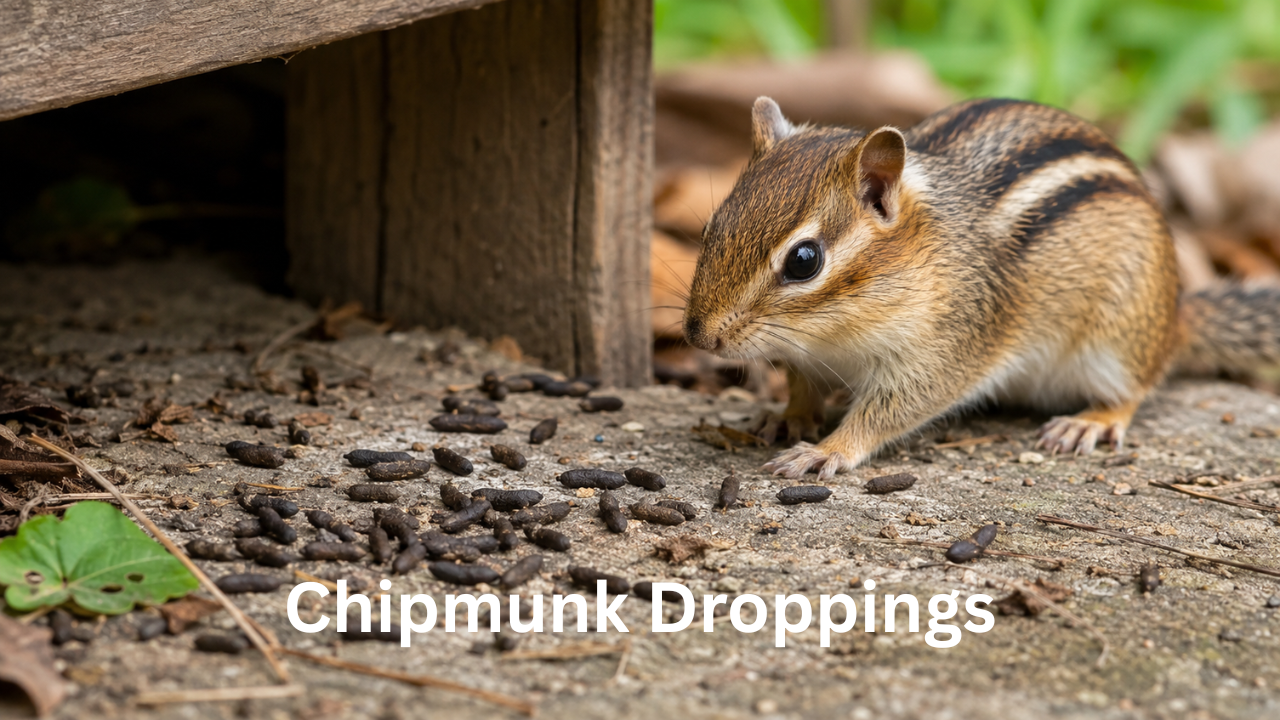
Best Pest Control Companies: How to Choose the Right Service for Your Home
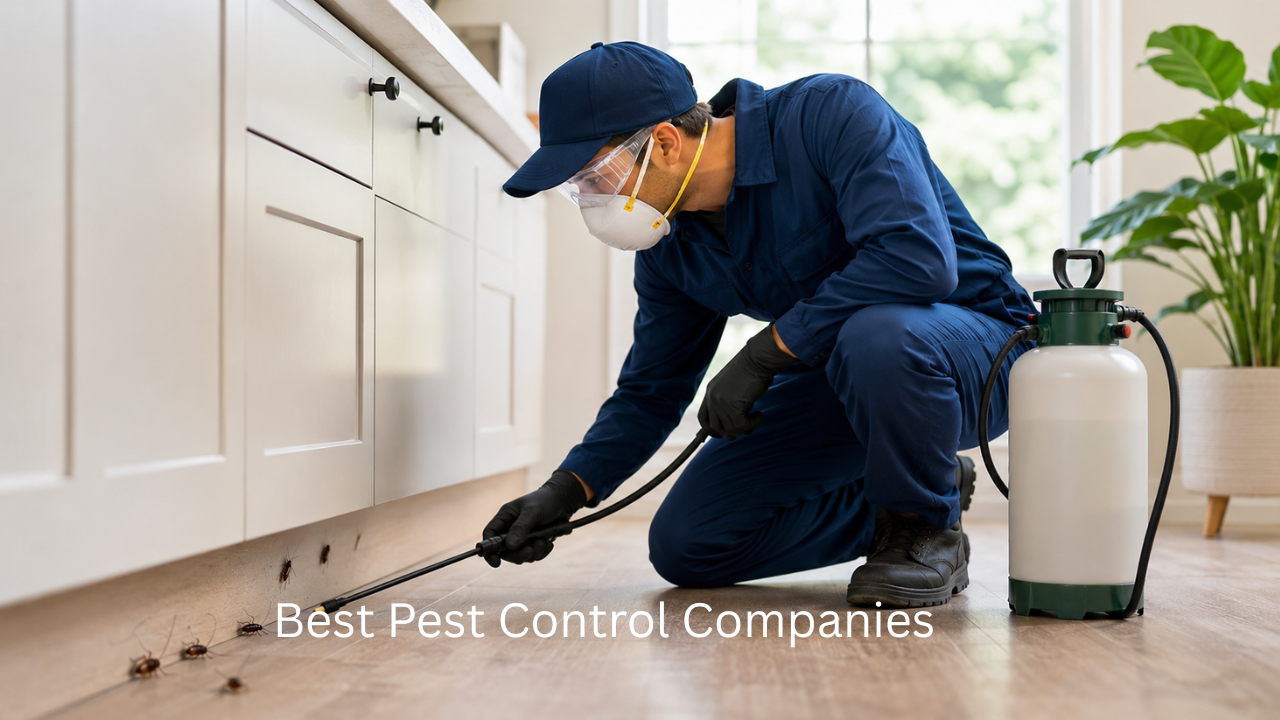
Pests can quickly turn a comfortable home into a stressful environment. From termites damaging wooden structures to rodents contaminating food, infestations can create serious health and property risks. That’s why finding the best pest control companies is important for homeowners and businesses alike.
With so many pest control providers available today, choosing the right one can feel overwhelming. Some companies specialize in eco-friendly treatments, while others focus on large-scale extermination services. Understanding what makes a pest control company reliable can help you make a smarter decision and protect your property effectively.
In this guide, we’ll explore what pest control companies do, what to look for when hiring one, the top features of quality providers, pricing expectations, and tips for keeping pests away long-term.
Why Professional Pest Control Matters
Many people try DIY pest treatments first. While sprays and traps may work for small problems, they often fail to eliminate the root cause of infestations.
Professional pest control companies provide:
- Expert pest identification
- Safe and targeted treatments
- Long-term prevention plans
- Reduced health risks
- Faster and more effective results
Hiring professionals can save money in the long run by preventing costly property damage and recurring infestations
Common Pests Treated by Pest Control Companies
Most pest control providers handle a wide range of infestations. Here are some of the most common pests they treat:
| Pest Type | Problems Caused | Common Treatment Methods |
|---|---|---|
| Termites | Structural damage | Soil treatment, bait systems |
| Cockroaches | Spread bacteria and allergens | Gel bait, sprays |
| Rodents | Damage wiring and contaminate food | Traps, exclusion methods |
| Bed Bugs | Painful bites and sleep disruption | Heat treatment, chemical treatment |
| Ants | Food contamination | Bait stations, perimeter sprays |
| Mosquitoes | Spread diseases | Fogging, larvicide treatments |
| Spiders | Venomous bites in some species | Targeted spraying |
| Fleas & Ticks | Harm pets and humans | Indoor and outdoor treatments |
Professional exterminators use customized methods depending on the type and severity of the infestation.
Qualities of the Best Pest Control Companies
Not all pest control providers offer the same level of service. The best companies share several important qualities.
Licensed and Certified Technicians
A reputable pest control company should have properly trained and certified technicians. Licensing ensures they follow local safety regulations and use approved treatment methods.
Always ask whether the company:
- Has valid licenses
- Carries insurance coverage
- Provides ongoing technician training
This protects both your property and your family.
Experience and Reputation
Experience matters in pest control. Companies with years of industry experience are usually better at identifying and solving difficult infestations.
Look for providers with:
- Positive customer reviews
- High ratings online
- Strong local reputation
- Proven experience with your specific pest issue
Reading reviews can reveal how companies handle customer service, scheduling, and follow-up support.
Safe and Eco-Friendly Treatments
Modern homeowners often prefer environmentally friendly pest control solutions. Many companies now offer low-toxicity or green treatment options that are safer for pets and children.
Eco-friendly pest control may include:
- Botanical-based pesticides
- Heat treatments
- Integrated Pest Management (IPM)
- Preventive sealing and exclusion
These methods reduce chemical exposure while still effectively controlling pests.
Customized Treatment Plans
Every infestation is different. The best pest control companies inspect the property carefully before recommending treatment.
A customized plan should include:
- Initial inspection
- Pest identification
- Treatment recommendations
- Prevention strategies
- Follow-up visits if necessary
Avoid companies that offer one-size-fits-all treatments without inspecting your property.
Top Services Offered by Pest Control Companies
Professional exterminators provide a variety of services for residential and commercial customers.
Residential Pest Control
Home pest control services focus on protecting families and properties from common infestations.
Typical residential services include:
- Routine inspections
- Seasonal pest treatments
- Rodent control
- Bed bug extermination
- Termite prevention
Many homeowners choose quarterly treatment plans for year-round protection.
Commercial Pest Control
Businesses often require specialized pest management solutions to meet health and safety standards.
Industries commonly using commercial pest control include:
- Restaurants
- Hotels
- Warehouses
- Healthcare facilities
- Offices
Commercial providers often offer discreet scheduling and detailed compliance reports.
Termite Control Services
Termites are among the most destructive pests. Professional termite treatment can prevent severe structural damage.
Popular termite solutions include:
- Liquid barrier treatments
- Bait stations
- Wood treatments
- Annual termite inspections
Early detection is critical because termites often remain hidden for long periods.
Bed Bug Extermination
Bed bugs are difficult to eliminate without professional help. They hide in mattresses, furniture, and small cracks.
Professional bed bug treatments may involve:
- Heat remediation
- Steam treatment
- Chemical applications
- Follow-up inspections
Complete elimination usually requires multiple treatment steps.
How Much Do Pest Control Services Cost?
Pest control pricing depends on several factors, including infestation size, treatment type, and property location.
Here’s a general cost estimate:
| Service Type | Average Cost |
|---|---|
| General pest treatment | $100–$300 |
| Termite treatment | $500–$3,000 |
| Bed bug treatment | $300–$1,500 |
| Rodent removal | $150–$600 |
| Monthly pest plans | $40–$70 per month |
Prices vary depending on the company and the severity of the infestation.
Signs You Need Professional Pest Control
Some infestations are obvious, while others remain hidden until major damage occurs.
Here are common warning signs:
- Droppings or urine stains
- Strange scratching sounds in walls
- Chewed wires or furniture
- Unpleasant odors
- Insect wings near windows
- Bite marks on skin
- Visible nests or hives
Ignoring these signs can allow infestations to spread rapidly.
Tips for Choosing the Best Pest Control Company
Finding the right provider requires careful research. Here are some practical tips to help you choose wisely.
Compare Multiple Companies
Request quotes from at least three companies before making a decision. Compare:
- Pricing
- Treatment methods
- Guarantees
- Service frequency
- Customer reviews
The cheapest option is not always the best value.
Ask About Guarantees
Reliable pest control companies often provide service guarantees or warranties.
Ask questions like:
- Will they return if pests come back?
- Are follow-up visits included?
- Is there a satisfaction guarantee?
A strong warranty reflects confidence in their services.
Verify Insurance and Safety Policies
Pest control involves chemicals and specialized equipment. Make sure the company follows proper safety procedures.
Ask whether they:
- Use EPA-approved products
- Provide safety instructions
- Offer pet-safe treatments
Safety should always be a top priority.
DIY Pest Control vs Professional Services
Some homeowners wonder whether professional pest control is truly necessary.
Here’s a quick comparison:
| DIY Pest Control | Professional Pest Control |
|---|---|
| Lower upfront cost | More effective long-term |
| Temporary solutions | Targeted treatments |
| Limited pest knowledge | Expert identification |
| Risk of improper chemical use | Safe application methods |
| Often requires repeated attempts | Preventive strategies included |
DIY methods may help with minor issues, but severe infestations usually require expert treatment.
Preventing Future Pest Problems
Even after successful treatment, prevention remains important.
Here are effective prevention tips:
- Seal cracks and openings
- Store food in airtight containers
- Fix water leaks quickly
- Keep garbage tightly closed
- Maintain clean outdoor spaces
- Trim vegetation near the home
- Schedule routine inspections
Preventive maintenance can reduce the chances of future infestations.
FAQs About the Best Pest Control Companies
How often should pest control services be scheduled?
Most homeowners benefit from quarterly treatments. However, severe infestations or high-risk areas may require monthly visits.
Are pest control chemicals safe for pets and children?
Many companies now use low-toxicity and eco-friendly products. Always ask about safety precautions before treatment begins.
What is the most difficult pest to eliminate?
Bed bugs and termites are among the hardest pests to remove because they hide well and reproduce quickly.
Do pest control companies offer guarantees?
Many reputable providers offer warranties or free retreatments if pests return within a specific period.
How long does pest control treatment take?
Treatment time depends on the pest type and infestation size. General treatments may take 1–2 hours, while termite or bed bug services can require longer.
Is professional pest control worth the cost?
Yes. Professional services often prevent expensive property damage and recurring infestations, saving money over time.
Final Thoughts
Choosing the best pest control companies can make a major difference in protecting your home, health, and peace of mind. Professional exterminators provide targeted treatments, expert advice, and long-term prevention strategies that DIY solutions often cannot match.
When selecting a pest control provider, focus on experience, certifications, safety practices, customer reviews, and service guarantees. A trusted company will not only eliminate current pests but also help prevent future infestations.
Investing in professional pest control is ultimately an investment in a safer, cleaner, and healthier living environment.
Also Read: iStock What It Is, How It Works, and Why It’s Popular Among Creators