Chipmunk Droppings: Identification, Risks, Cleanup, and Prevention Guide
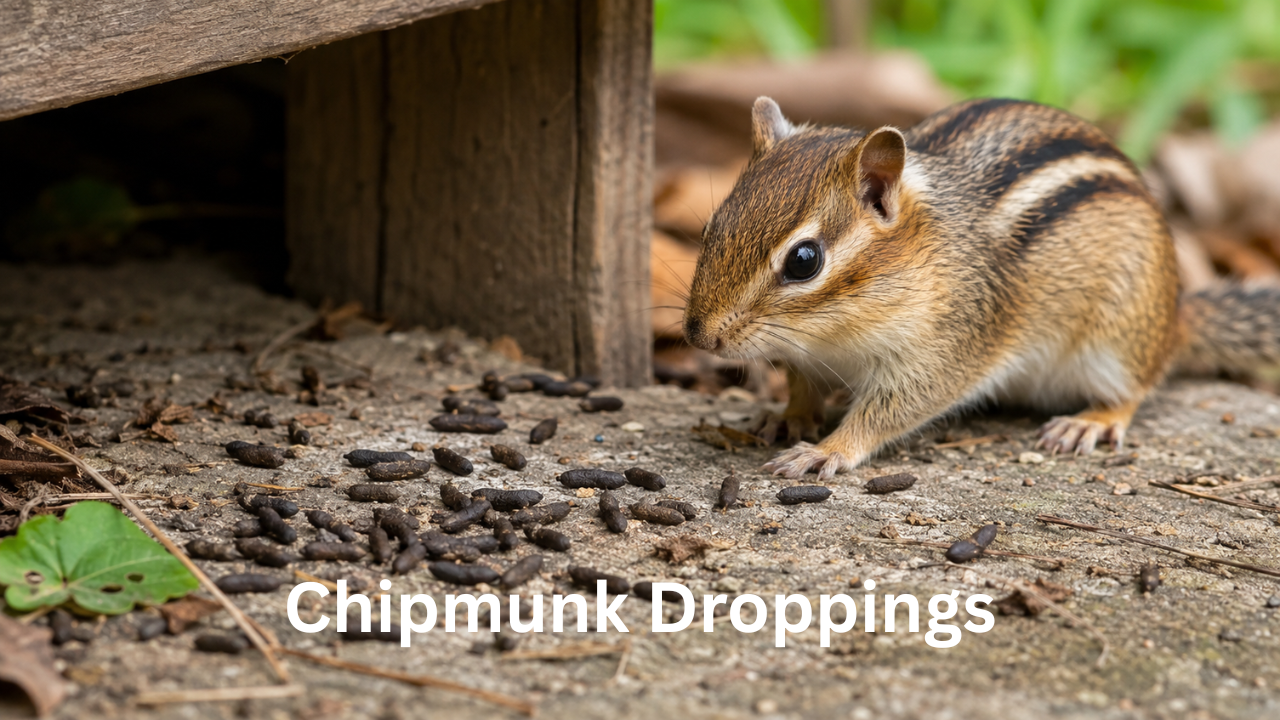
Chipmunks may look harmless and adorable, but when they invade homes, sheds, garages, or gardens, they can leave behind a surprising amount of waste. One of the most common signs of a chipmunk infestation is the presence of chipmunk droppings. Identifying these droppings correctly is important because they can easily be mistaken for the waste of mice, rats, or other small animals.
Understanding what chipmunk droppings look like, where they are commonly found, and how to safely clean them up can help protect your property and health. This guide covers everything you need to know about chipmunk droppings, including identification, health concerns, cleanup methods, and prevention tips.
What Are Chipmunk Droppings?
Chipmunk droppings are small fecal pellets produced by chipmunks as they move through their habitats. These animals are active foragers and often travel between burrows, gardens, attics, garages, and outdoor storage areas.
Their droppings are usually found in areas where they eat, nest, or frequently travel. Because chipmunks are relatively small rodents, their waste resembles that of mice and can sometimes cause confusion during pest identification.
Recognizing chipmunk droppings early can help homeowners determine whether chipmunks are present and take appropriate action before a minor issue becomes a larger infestation.
How to Identify Chipmunk Droppings
Proper identification is essential because different pests require different control methods.
Physical Characteristics
Chipmunk droppings generally have the following features:
- Dark brown to black color
- Cylindrical shape
- Slightly rounded or pointed ends
- Approximately ¼ to ½ inch long
- Firm texture when fresh
- Dry and crumbly as they age
Fresh droppings are usually darker and slightly moist. Older droppings become lighter and may break apart easily.
Comparison Table: Chipmunk Droppings vs Other Animal Droppings
| Animal | Size | Shape | Color | Common Location |
|---|---|---|---|---|
| Chipmunk | ¼–½ inch | Cylindrical, slightly pointed | Dark brown to black | Attics, garages, gardens |
| Mouse | ⅛–¼ inch | Rice-shaped | Black | Indoors, walls, kitchens |
| Rat | ½–¾ inch | Capsule-shaped | Dark brown | Basements, crawl spaces |
| Squirrel | ⅜–⅝ inch | Rounded ends | Brown to black | Attics, roofs |
| Rabbit | Round pellets | Circular | Brown | Lawns, gardens |
Because chipmunk droppings closely resemble mouse droppings, it is often helpful to look for additional signs such as burrows, food caches, or visible chipmunk activity.
Where Are Chipmunk Droppings Commonly Found?
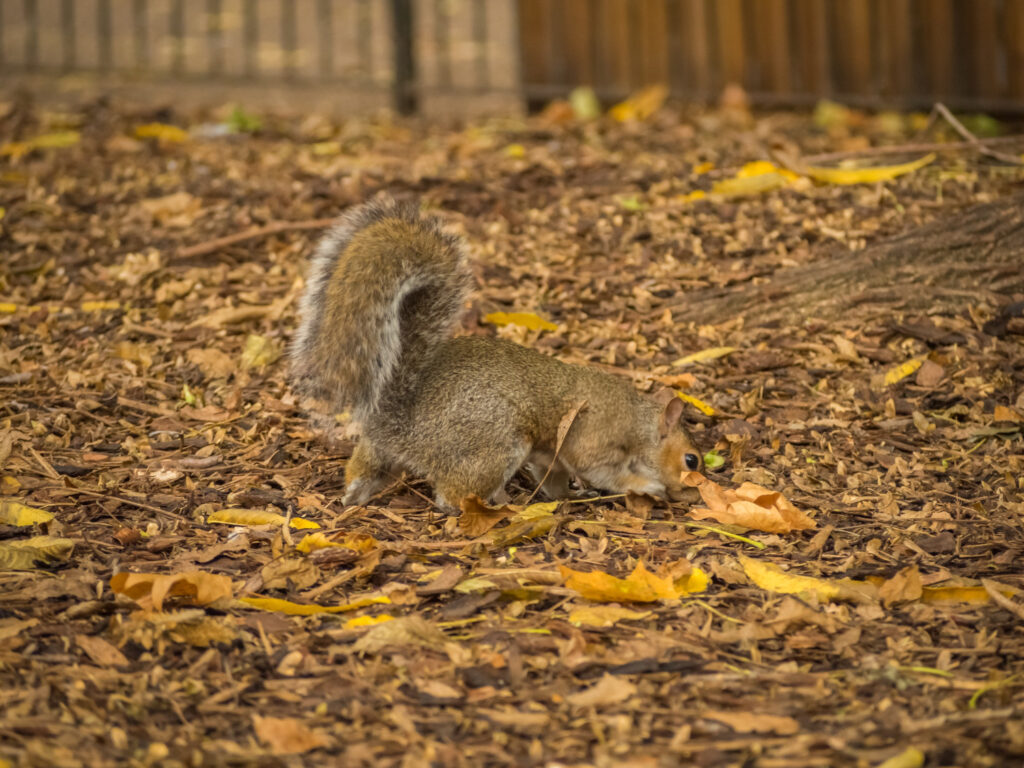
Chipmunks create extensive underground tunnel systems and frequently travel between food sources and nesting areas.
Common places where chipmunk droppings may appear include:
- Attics
- Garages
- Sheds
- Crawl spaces
- Garden beds
- Woodpiles
- Around bird feeders
- Near pet food storage areas
- Under decks and porches
If droppings repeatedly appear in a particular location, it may indicate an active nesting or feeding site nearby.
Why Chipmunks Leave Droppings Around Homes
Chipmunks are constantly searching for food. They collect seeds, nuts, berries, grains, and other edible materials throughout the year.
When chipmunks establish a territory near a home, they often leave droppings in places where they:
- Eat food
- Store food supplies
- Travel regularly
- Build nests
- Shelter during bad weather
The more active the chipmunk population, the more droppings you are likely to find.
Are Chipmunk Droppings Dangerous?
Many homeowners wonder whether chipmunk droppings pose health risks. While chipmunks are generally less problematic than rats, their waste should still be handled carefully.
Potential Health Risks
Chipmunk droppings may contain bacteria, parasites, and other microorganisms that could potentially cause illness.
Possible concerns include:
- Salmonella contamination
- Parasitic infections
- Allergic reactions
- Respiratory irritation from airborne particles
Although severe illness from chipmunk droppings is relatively uncommon, direct contact should always be avoided.
Risks to Pets
Dogs and cats are naturally curious and may sniff or ingest droppings found outdoors.
Potential risks for pets include:
- Gastrointestinal upset
- Exposure to parasites
- Bacterial infections
Pet owners should promptly remove droppings from accessible areas.
How to Safely Clean Up Chipmunk Droppings
Cleaning chipmunk droppings requires proper precautions to minimize exposure to contaminants.
Step 1: Wear Protective Equipment
Before beginning cleanup, wear:
- Disposable gloves
- Face mask
- Protective clothing
- Closed-toe shoes
These items help reduce contact with potentially harmful particles.
Step 2: Ventilate the Area
Open windows and doors if cleaning an enclosed space.
Good ventilation helps reduce airborne dust and improves safety during cleanup.
Step 3: Spray with Disinfectant
Avoid sweeping or vacuuming dry droppings immediately.
Instead:
- Spray the droppings with disinfectant
- Allow the solution to soak for several minutes
- Ensure the waste is thoroughly dampened
This reduces the chance of particles becoming airborne.
Step 4: Remove the Waste
Use paper towels or disposable cloths to collect the droppings.
Place all waste directly into a sealed plastic bag.
Step 5: Disinfect the Area
After removal:
- Clean surrounding surfaces
- Apply disinfectant again
- Dispose of gloves and cleaning materials properly
- Wash hands thoroughly
Proper sanitation helps eliminate lingering bacteria and odors.
Signs of a Chipmunk Infestation
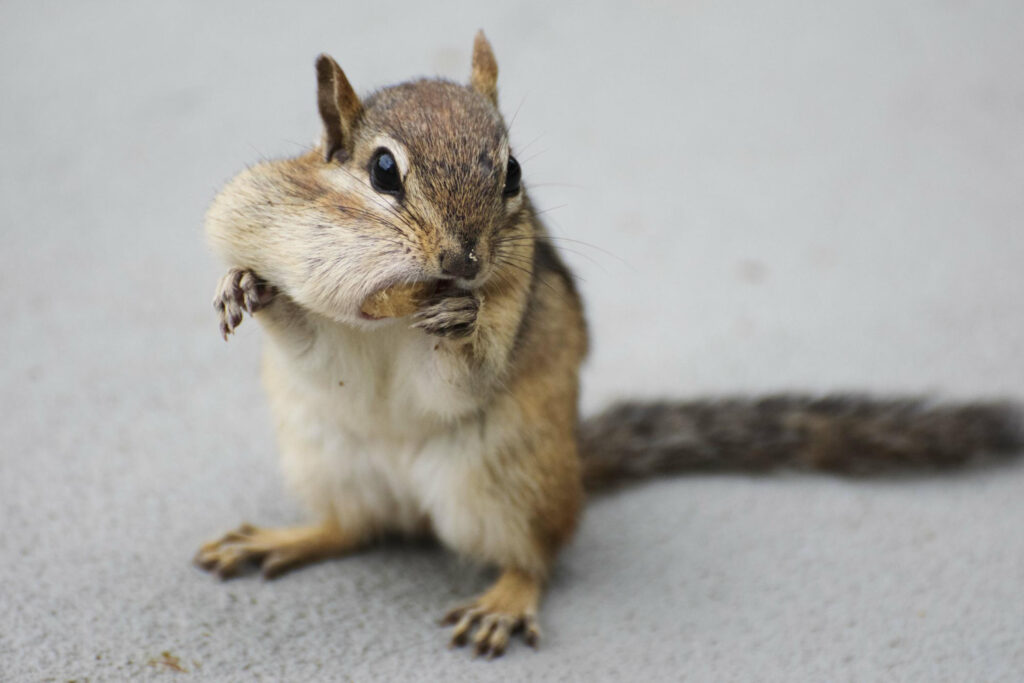
Droppings are only one indicator of chipmunk activity.
Other signs include:
Burrows and Tunnels
Chipmunks create underground tunnel systems with hidden entrances.
Look for:
- Small holes near foundations
- Openings under stairs
- Tunnels near gardens
Food Caches
Chipmunks often store food in hidden locations.
You may find:
- Acorns
- Nuts
- Seeds
- Bird feed
Visible Activity
Chipmunks are active during daylight hours.
Frequent sightings around your property may indicate a nearby nesting area.
Chewing Damage
Although less destructive than rats, chipmunks sometimes chew:
- Wooden structures
- Garden plants
- Outdoor wiring
- Storage containers
How to Prevent Chipmunk Droppings Around Your Property
The best way to eliminate chipmunk droppings is to prevent chipmunks from settling near your home.
Remove Food Sources
Reduce attractants by:
- Storing birdseed securely
- Cleaning fallen fruit
- Securing trash cans
- Avoiding outdoor pet food storage
Seal Entry Points
Inspect your property for gaps and openings.
Seal:
- Foundation cracks
- Vent openings
- Shed gaps
- Crawl-space entrances
Maintain Landscaping
Chipmunks prefer areas with plenty of cover.
Keep your yard tidy by:
- Trimming shrubs
- Removing brush piles
- Organizing firewood stacks
- Reducing dense ground cover
Install Barriers
Garden barriers can help protect vulnerable areas.
Options include:
- Hardware cloth fencing
- Raised garden beds
- Underground mesh barriers
These measures discourage burrowing and feeding.
When to Call a Pest Control Professional
If chipmunk activity becomes persistent or widespread, professional assistance may be necessary.
Consider contacting a pest control expert when:
- Droppings continue appearing after cleanup
- Multiple burrows are present
- Structural damage is occurring
- Large populations are observed
Professionals can identify nesting sites and recommend effective control strategies.
Frequently Asked Questions
What do chipmunk droppings look like?
Chipmunk droppings are small, dark, cylindrical pellets measuring approximately ¼ to ½ inch long. They often resemble mouse droppings but are typically slightly larger.
Are chipmunk droppings toxic?
Chipmunk droppings are not inherently toxic, but they may contain bacteria, parasites, and other microorganisms that could pose health risks if handled improperly.
How can I tell the difference between chipmunk and mouse droppings?
Chipmunk droppings are generally larger than mouse droppings and are often found near burrows, gardens, sheds, and outdoor feeding areas rather than kitchens or interior walls.
Can chipmunk droppings make people sick?
While uncommon, exposure to contaminated droppings may contribute to bacterial infections, allergic reactions, or respiratory irritation if proper cleanup procedures are not followed.
Should I vacuum chipmunk droppings?
No. Dry vacuuming can release particles into the air. It is safer to disinfect and dampen droppings before removing them manually.
How do I stop chipmunks from returning?
Remove food sources, seal entry points, maintain clean landscaping, and use physical barriers to make your property less attractive to chipmunks.
Final Thoughts
Finding chipmunk droppings around your home can be unpleasant, but they are often one of the earliest warning signs of chipmunk activity. Correct identification is essential because these droppings can resemble those of mice and other small rodents. By understanding where chipmunk droppings are found, recognizing potential health concerns, and following proper cleanup and prevention methods, homeowners can effectively manage chipmunk problems before they escalate.
Regular inspections, good sanitation practices, and proactive property maintenance remain the most effective ways to keep chipmunks—and their droppings—away from your home and garden.
Also Read: Artists Directory ArcyArt: A Complete Guide to Discovering and Promoting Artistic Talent