Weather Bengaluru: Powerful Insights Into a Surprisingly Unpredictable Climate
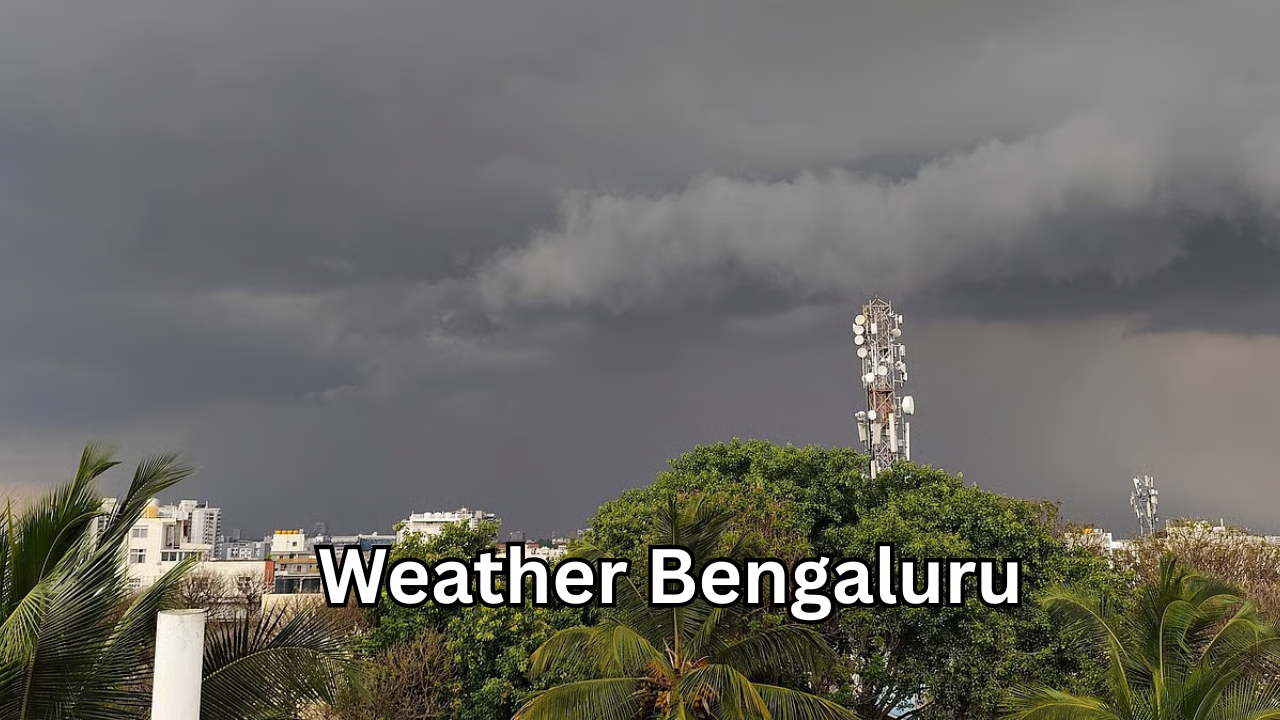
Weather Bengaluru – Weather in Bengaluru shapes everyday life in India’s Silicon Valley in ways that often surprise both newcomers and longtime residents, offering a blend of mild temperatures, sudden showers, and refreshing breezes that set it apart from most other major cities in the country. This unique mix makes the city comfortable for work and living. Yet, it also creates challenges for planning travel, outdoor activities, and even daily commutes, which is why understanding the local climate is far more helpful than simply checking a forecast.
Bengaluru sits on the Deccan Plateau at a higher elevation than most Indian metropolitan areas, and this single geographical factor plays a significant role in shaping its climate. Unlike coastal cities heavily influenced by the sea or northern cities that feel the extremes of summer and winter, Bengaluru benefits from a relatively stable temperature range throughout the year. Days are rarely too hot, and nights are often calm and pleasant, creating a climate that many people describe as close to ideal. Still, the city is far from boring when it comes to its skies. Clouds can gather quickly, rain can arrive without much warning, and the atmosphere can shift in a matter of hours.
One reason the local climate attracts so much attention is its impact on lifestyle. From early morning joggers in tree-lined neighborhoods to late-night tech professionals heading home after long shifts, the city’s moderate air keeps people moving. Cafés, parks, and open-air markets thrive here because the environment encourages people to spend time outdoors. Yet even with this generally pleasant reputation, the city’s weather has its own personality, one that mixes gentle warmth with dramatic monsoon rains and occasional bursts of humidity.

Seasonal patterns and what they really mean
The year in Bengaluru is typically divided into three broad seasons: summer, monsoon, and winter, though none of them follow the extreme definitions found in many other regions. Summer usually begins in March and lasts until May, but it rarely feels unbearable. Daytime temperatures hover at levels that remain comfortable for most people, especially when compared to the scorching heat of northern or central India. Even during the warmest months, evenings tend to cool down quickly, allowing residents to enjoy outdoor dinners or strolls without discomfort. This feature consistently shapes perceptions of Bengaluru’s weather as easygoing and friendly.
The monsoon arrives around June and can continue into October, bringing a dramatic change to the city’s atmosphere. Rainfall is often heavy but not continuous, meaning that sunny spells can still appear between showers. This pattern keeps the air fresh and the greenery vibrant, turning parks, gardens, and roadside trees into lush landscapes. While heavy rain can cause traffic delays and temporary flooding in some areas, it also helps regulate temperatures and keeps pollution levels lower than in many other urban centers.
Winter, which usually runs from November to February, is the most loved season. Days remain bright and sunny, while nights can become quite remarkable, sometimes requiring light jackets or sweaters. This period is beautiful for tourists and business travelers alike, as the crisp air and clear skies create an inviting environment for exploring the city. During this time, Bengaluru’s weather often feels almost European in its mildness, with temperatures neither too warm nor too cold.
Weather in Bengaluru and its influence on daily routines
Understanding the local climate is not just about knowing when it might rain or how warm it will be. It directly affects how people organize their days. Many residents plan their outdoor activities for early mornings or late afternoons, especially during the warmer months, because the air is fresher and the sun is gentler. Office workers often rely on the cooler evenings to unwind, meeting friends or family in open-air cafés, something that is far more enjoyable here than in hotter cities.
The frequent rain showers during the monsoon also influence how people move around. Umbrellas, light rain jackets, and waterproof bags are familiar sights, as sudden downpours can catch even the most prepared individuals off guard. Traffic patterns shift as well, with congestion often increasing during rainy periods. Still, most residents adapt easily, and many even enjoy the refreshing feel of rain after a warm day, a reaction that has become part of Bengaluru’s identity, tied to the city’s weather.
How geography creates such a balanced climate
Bengaluru’s elevation, which is over 900 meters above sea level, is the main reason behind its moderate temperatures. This altitude keeps the city cooler than the surrounding low-lying areas, even during the peak of summer. At the same time, its inland location protects it from the high humidity and intense storms that often affect coastal areas. These two factors work together to create a climate that feels surprisingly stable, even when compared to other large cities in the country.
The surrounding greenery and numerous lakes also contribute to the city’s microclimate. Trees, parks, and water bodies help regulate heat and improve air quality, creating a cooling effect felt across many neighborhoods. Although urban development has reduced some of these natural features over the years, their influence remains noticeable, especially after rainfall, when the air becomes crisp and fragrant.

The role of climate in Bengaluru’s tech culture
The city’s reputation as India’s technology hub is closely linked to its climate. Comfortable temperatures and relatively clean air make it easier for people to work long hours without feeling drained by extreme heat. International companies and professionals often find the environment welcoming, which has helped the city grow into a global center for innovation. In this way, Bengaluru is not just a topic for small talk but a factor that has quietly supported economic and cultural development.
Employees in tech parks often enjoy landscaped campuses with open spaces, something that would be less practical in hotter or more humid cities. The ability to step outside, enjoy a breeze, and return to work refreshed is a small but meaningful advantage. Over time, this has contributed to the city’s image as a place where work-life balance is more achievable, even in a fast-paced industry.
Tourism and outdoor life under changing skies
Tourists are often drawn to Bengaluru for its pleasant climate, which allows them to explore without the exhaustion that can come with intense heat. Historic sites, bustling markets, and modern shopping districts all become more enjoyable when the temperature is mild. The city also serves as a gateway to nearby hill stations and nature reserves, and travelers often use it as a comfortable base before heading out on longer journeys.
Outdoor events, from music festivals to food fairs, are common, especially during the cooler months. Organizers take advantage of the stable conditions, knowing that large crowds can gather comfortably. Even during the monsoon, events are rarely canceled outright, as rain tends to come in bursts rather than lasting all day. This adaptability is part of what makes the weather in Bengaluru so distinctive and manageable.
Climate change and shifting patterns
In recent years, residents have noticed subtle changes in rainfall and temperature patterns. While the overall climate remains moderate, there have been instances of heavier rain and slightly warmer days than in the past. These shifts are part of a larger global trend, and Bengaluru is not immune to its effects. Urbanization has also played a role, with more concrete and fewer green spaces contributing to localized heat in some areas.
Still, the city’s underlying geographical advantages continue to provide a buffer against extreme conditions. Efforts to preserve parks, restore lakes, and promote sustainable development are helping maintain the balance that makes the city’s climate so appealing. Even as patterns evolve, Bengaluru remains more forgiving than many other rapidly growing cities.

What residents and visitors should keep in mind?
Living or spending time in Bengaluru means being prepared for variety rather than extremes. Light layers are usually the best choice, as mornings and evenings can be cool while afternoons may feel warmer. Carrying rain protection is wise, especially during the monsoon months, as showers can come on suddenly. These small habits allow people to enjoy the city without being caught off guard by the changing sky.
The local climate also encourages a slower, more relaxed pace of life. People tend to linger over coffee, enjoy evening walks, and spend time in gardens and parks. This lifestyle, shaped by the environment, is one of the reasons many visitors feel instantly comfortable here.
A city defined by its gentle yet lively climate
Bengaluru’s atmosphere is a blend of calm and energy, much like the city itself. The combination of mild temperatures, refreshing rains, and cool nights creates an environment that supports both productivity and leisure. Whether you are working in a high-rise office, exploring historic neighborhoods, or relaxing in a quiet café, the climate quietly enhances every experience.
In the end, whether Bengaluru is more than a set of statistics on a forecast. It is a living, changing presence that influences how people move, work, and enjoy their surroundings. Its balance of comfort and variety continues to define the city’s character, making Bengaluru not just a place to live or visit, but a place to experience truly.
Also Read: Depomin82 Powerful Yet Risky Platform Review














1 comment