Dolphin Radar: Everything You Need to Know About This Emerging Technology
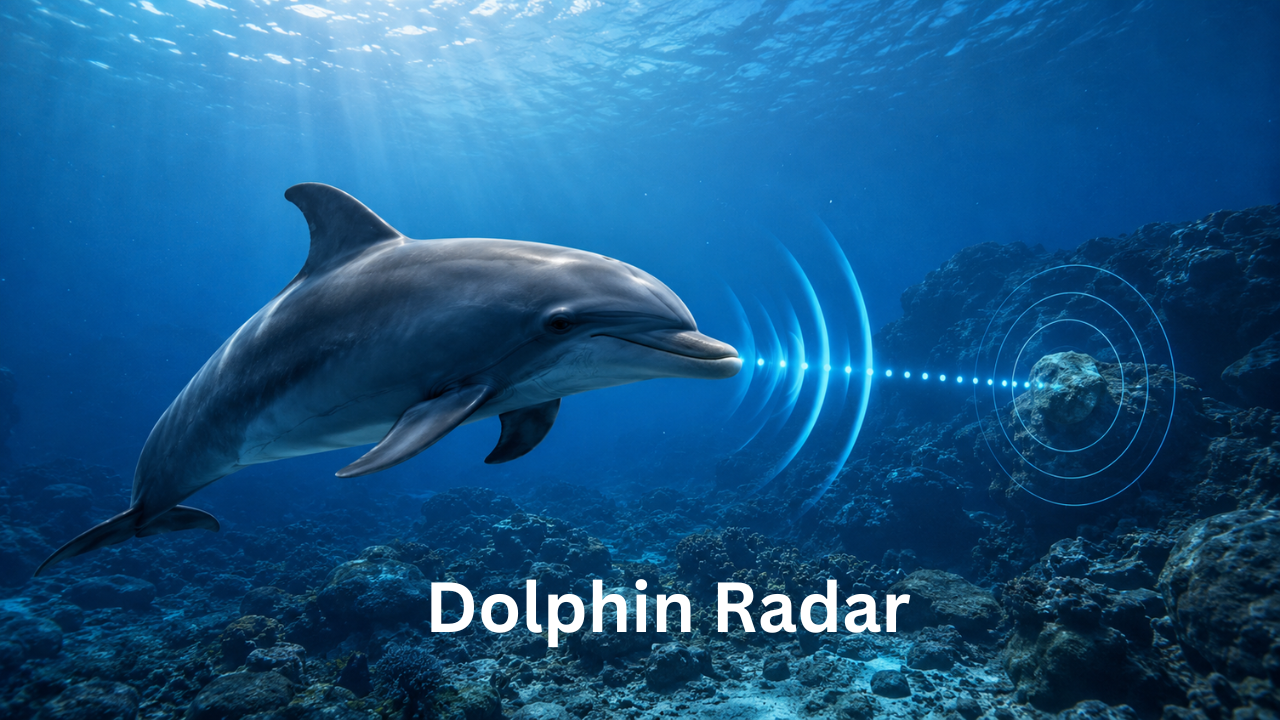
The term dolphin radar has been gaining attention online, sparking curiosity among technology enthusiasts, marine researchers, and everyday internet users. While the phrase may sound unusual at first, it combines two fascinating concepts: the advanced sensing capabilities associated with radar technology and the remarkable navigation abilities of dolphins.
In recent years, the keyword “dolphin radar” has appeared across discussions involving marine technology, wildlife research, underwater detection systems, and innovative tracking solutions. Whether you’re looking to understand what dolphin radar means, how it works, or why people are searching for it, this guide covers everything you need to know.
What Is Dolphin Radar?
Dolphin radar generally refers to technologies or systems inspired by the natural echolocation abilities of dolphins. Dolphins use sound waves to navigate, locate objects, identify prey, and communicate underwater.
Traditional radar relies on radio waves, while dolphins rely on sound waves. Because radio waves perform poorly underwater, scientists often look to dolphins as a model when designing advanced underwater detection systems.
As a result, the term dolphin radar is often associated with:
- Bio-inspired sonar systems
- Underwater detection technologies
- Marine navigation tools
- Research projects studying dolphin echolocation
- Advanced ocean monitoring equipment
Although dolphin radar is not always a specific commercial product, it is commonly used to describe technologies influenced by dolphin sensing capabilities.
How Dolphins Navigate Underwater
One reason dolphins inspire modern technology is their extraordinary ability to perceive their surroundings.
Dolphins produce high-frequency clicking sounds that travel through water. When these sound waves hit an object, they bounce back as echoes. The dolphin analyzes these echoes to determine:
- Distance
- Shape
- Size
- Direction
- Material characteristics
This process is known as echolocation.
Unlike human vision, echolocation remains highly effective in dark, murky, or deep underwater environments where visibility is limited.
Dolphin Radar vs Traditional Radar
Although the two systems share a similar goal—detecting objects—they operate very differently.
| Feature | Dolphin Echolocation | Traditional Radar |
|---|---|---|
| Signal Type | Sound Waves | Radio Waves |
| Best Environment | Underwater | Air and Space |
| Range | Moderate | Long |
| Energy Usage | Natural Biological Process | Electronic System |
| Object Detection | Highly Detailed | Broad Detection |
| Navigation Support | Excellent Underwater | Limited Underwater |
This comparison explains why engineers often study dolphins when developing underwater sensing technologies.
The Science Behind Bio-Inspired Sonar
Many researchers believe nature provides some of the best engineering solutions. Dolphins are among the most advanced natural navigators on Earth.
Bio-inspired sonar systems attempt to replicate how dolphins process sound information. These systems can:
- Detect underwater obstacles
- Map ocean floors
- Track moving objects
- Assist autonomous underwater vehicles
- Improve marine research operations
Modern algorithms are increasingly designed to mimic the way dolphins interpret acoustic signals.

Applications of Dolphin Radar Technology
The principles behind dolphin radar have numerous real-world applications.
Marine Research
Scientists use advanced sonar systems to study:
- Fish populations
- Coral reef health
- Ocean ecosystems
- Marine migration patterns
By applying dolphin-inspired technologies, researchers can gather more accurate underwater data.
Naval Operations
Military organizations have long relied on sonar technology for underwater surveillance.
Dolphin-inspired detection systems may help improve:
- Submarine tracking
- Underwater threat identification
- Coastal monitoring
- Maritime security
Enhanced object recognition capabilities can provide a significant advantage in complex underwater environments.
Autonomous Underwater Vehicles (AUVs)
AUVs are robotic systems designed to operate independently underwater.
These vehicles use advanced sensing systems to:
- Avoid collisions
- Navigate difficult terrain
- Collect environmental data
- Perform underwater inspections
Many developers incorporate concepts similar to dolphin echolocation into their navigation software.
Environmental Monitoring
Ocean health is becoming increasingly important.
Dolphin radar-inspired systems help monitor:
- Water quality
- Marine biodiversity
- Pollution levels
- Habitat changes
Accurate underwater sensing allows researchers to identify environmental issues earlier.
Why Dolphins Inspire Modern Technology
Nature has spent millions of years optimizing biological systems.
Dolphins possess several characteristics that make them ideal models for technological innovation:
Exceptional Accuracy
Dolphins can detect incredibly small differences in reflected sound waves.
This allows them to identify objects with remarkable precision.
Efficient Energy Use
Unlike many electronic systems, dolphins perform complex sensing tasks while using energy efficiently.
Researchers seek to apply similar efficiencies in modern hardware design.
Performance in Low Visibility
Underwater visibility can be extremely poor.
Dolphins navigate effectively even in conditions where visual systems fail completely.
Rapid Information Processing
The dolphin brain processes acoustic information at extraordinary speeds.
Artificial intelligence researchers often study these biological processes to improve machine learning systems.
Emerging Trends in Dolphin Radar Research
Technology continues to evolve rapidly.
Several exciting developments are shaping the future of dolphin-inspired sensing systems.
Artificial Intelligence Integration
AI can analyze sonar data faster and more accurately than traditional software.
Combining AI with dolphin-inspired detection methods could significantly improve underwater navigation.
Advanced Acoustic Sensors
New sensor technologies are becoming smaller, more sensitive, and more affordable.
These improvements expand the potential applications of underwater sensing systems.
Smart Ocean Monitoring Networks
Researchers are developing interconnected sensor networks capable of continuously monitoring ocean environments.
These systems may help track climate changes, marine populations, and environmental threats in real time.
Robotics and Automation
Future underwater robots will likely rely heavily on bio-inspired navigation systems.
Dolphin radar concepts could play a key role in enabling safer and more autonomous underwater exploration.
Common Misconceptions About Dolphin Radar
There are several misunderstandings surrounding the term.
It Is Not a Radar Used by Dolphins
Dolphins do not use radar. They use echolocation, which relies on sound rather than radio waves.
It Is Not Always a Specific Product
Many people search for dolphin radar expecting a particular device.
In most cases, the phrase refers to a category of technology inspired by dolphin sensing abilities.
It Is Different From Standard Sonar
While related to sonar, dolphin radar often emphasizes advanced bio-inspired approaches rather than conventional sonar systems.
Benefits of Dolphin-Inspired Detection Systems
Organizations and researchers are increasingly interested in these technologies because of their advantages.
Key benefits include:
- Improved underwater object recognition
- Better navigation in low-visibility environments
- Enhanced marine research capabilities
- Greater operational efficiency
- Reduced environmental impact
- Support for autonomous systems
As technology improves, these benefits are expected to become even more significant.
Frequently Asked Questions (FAQs)
What does dolphin radar mean?
Dolphin radar generally refers to technologies inspired by dolphin echolocation. These systems use sound-based detection principles to improve underwater sensing and navigation.
Is dolphin radar the same as sonar?
Not exactly. Sonar is a broader technology that uses sound waves underwater. Dolphin radar often describes advanced sonar systems modeled after dolphin echolocation behavior.
Why are dolphins studied for navigation technology?
Dolphins possess exceptional echolocation abilities. Their natural sensing system provides valuable insights for designing more efficient underwater detection technologies.
Can dolphin radar be used in military applications?
Yes. Dolphin-inspired sonar technologies may support submarine detection, underwater surveillance, maritime security, and naval operations.
How does dolphin echolocation work?
Dolphins emit clicking sounds that bounce off nearby objects. The returning echoes provide information about an object’s size, distance, shape, and location.
What industries benefit from dolphin radar technology?
Marine research, environmental monitoring, naval defense, robotics, underwater exploration, and autonomous vehicle development all benefit from dolphin-inspired sensing systems.
Final Thoughts
The growing interest in dolphin radar reflects a broader trend toward bio-inspired innovation. By studying how dolphins navigate and interpret their underwater environment, researchers are developing smarter, more efficient sensing technologies for a variety of applications.
From marine science and environmental protection to robotics and naval operations, dolphin-inspired detection systems continue to influence the future of underwater exploration. As artificial intelligence, acoustic sensors, and autonomous technologies advance, the role of dolphin radar concepts is likely to become even more important in solving complex challenges beneath the ocean’s surface.
For anyone curious about emerging marine technology, dolphin radar represents a fascinating example of how nature can inspire groundbreaking scientific progress.
Also Read: MotoAssure BBB Rating and Customer Reviews: Is the Extended Warranty Company Trustworthy?