Ukulele History: The Fascinating Journey of a Beloved Instrument
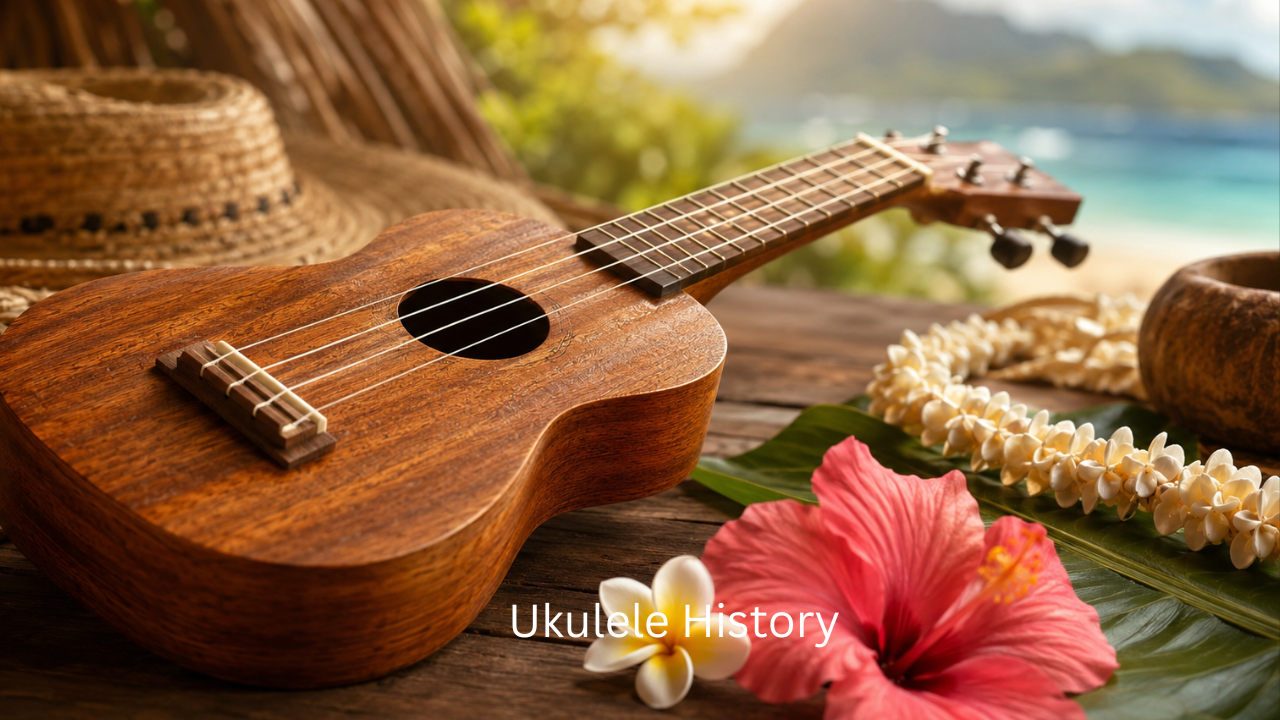
The ukulele is one of the most recognizable musical instruments in the world. Small, lightweight, and cheerful in tone, it has captured the hearts of musicians across generations. From beaches in Hawaii to modern pop concerts, the ukulele continues to inspire beginners and professionals alike.
But where did this tiny instrument come from? The history of the ukulele is richer and more surprising than many people realize. Its roots trace back to Europe, while its identity was shaped in Hawaii before spreading globally through music, television, and social media.
In this article, we will explore the complete ukulele history, including its origins, cultural significance, evolution, and lasting popularity.
The Origin of the Ukulele
Although many people associate the ukulele with Hawaii, its origins actually begin in Portugal.
In the late 19th century, Portuguese immigrants traveled to Hawaii to work on sugar plantations. Among these immigrants were skilled craftsmen and musicians who brought small string instruments with them. One of these instruments was called the machete, a small guitar-like instrument from Madeira.
Hawaiians quickly became fascinated with the instrument’s bright and lively sound. Local musicians adapted and modified it, eventually creating what we now know as the ukulele.
Portuguese Influence on the Ukulele
The ukulele was heavily inspired by several Portuguese instruments, including:
- Machete de Braga
- Rajão
- Cavaquinho
These instruments shared similar shapes, strings, and playing styles. Hawaiian craftsmen refined the design and made it more suitable for local music traditions.
Why Is It Called a Ukulele?
The word “ukulele” comes from the Hawaiian language. It is commonly translated as “jumping flea.”
There are several stories behind the name. One popular explanation is that the fast finger movements of players looked like jumping fleas while they strummed the instrument.
Another theory connects the name to a British army officer named Edward Purvis, whose nickname in Hawaii was “Ukulele” because of his energetic personality and small size.
Regardless of the exact origin, the name became officially associated with the instrument by the late 1800s.

The Role of Hawaii in Ukulele History
Hawaii played the most important role in transforming the ukulele from a regional instrument into a cultural symbol.
King Kalākaua, often known as the “Merrie Monarch,” strongly supported Hawaiian arts and music during his reign in the late 19th century. He encouraged musicians to include the ukulele in royal performances and traditional celebrations.
As a result, the instrument became deeply connected to Hawaiian identity and entertainment.
Hawaiian Music and the Ukulele
The ukulele fit perfectly with Hawaiian musical styles because of its:
- Soft and cheerful sound
- Rhythmic strumming patterns
- Portability
- Easy learning curve
It soon became common at family gatherings, hula dances, and local festivals.
Timeline of Ukulele History
| Year | Event |
|---|---|
| 1879 | Portuguese immigrants bring small string instruments to Hawaii |
| 1880s | Hawaiian craftsmen develop the modern ukulele |
| Late 1800s | King Kalākaua promotes ukulele music |
| 1915 | Ukulele gains popularity in the United States after Panama-Pacific Expo |
| 1920s | Jazz musicians begin using the ukulele |
| 1950s | Television and pop culture boost ukulele popularity |
| 1990s | Hawaiian musician Israel Kamakawiwoʻole revives global interest |
| 2000s–Present | Social media and pop music create a modern ukulele boom |
The Ukulele Arrives in America
The ukulele became famous outside Hawaii during the Panama-Pacific International Exposition in San Francisco in 1915.
Hawaiian musicians performed for massive audiences, introducing mainland Americans to Hawaiian culture and music. People immediately fell in love with the ukulele’s charming sound.
Soon afterward, music publishers and instrument manufacturers began producing ukuleles across the United States.
The Jazz Age and the Ukulele
During the 1920s and 1930s, the ukulele became especially popular during the Jazz Age.
Its affordability made it accessible to ordinary people, while its portability appealed to traveling musicians. Many jazz performers used the instrument for rhythm accompaniment.
Music stores sold thousands of ukuleles during this period, and instructional books became widely available.
Different Types of Ukuleles
As the instrument evolved, manufacturers created several ukulele sizes to suit different musical styles.
Soprano Ukulele
The soprano is the traditional and smallest ukulele size. It produces the classic bright ukulele tone.
Concert Ukulele
Slightly larger than the soprano, the concert ukulele offers more room on the fretboard and a fuller sound.
Tenor Ukulele
The tenor ukulele is popular among professional players because of its richer tone and larger size.
Baritone Ukulele
The baritone is the largest common ukulele type. It produces a deeper sound similar to a guitar.

Famous Musicians in Ukulele History
Many talented musicians helped make the ukulele famous worldwide.
Israel Kamakawiwoʻole
Often called “IZ,” he introduced millions of listeners to Hawaiian ukulele music through his iconic medley of “Somewhere Over the Rainbow” and “What a Wonderful World.”
His emotional performances played a major role in the ukulele revival during the 1990s.
Tiny Tim
Tiny Tim became famous in the 1960s for his unique singing style and ukulele performances, especially the song “Tiptoe Through the Tulips.”
Jake Shimabukuro
Jake Shimabukuro transformed public perception of the ukulele by showing its incredible musical range and technical possibilities.
His performances demonstrated that the ukulele could handle classical music, rock, jazz, and even complex solos.
The Modern Ukulele Revival
The ukulele experienced another surge in popularity during the 21st century.
Several factors contributed to this revival:
- YouTube tutorials made learning easier
- Social media promoted ukulele performances
- Pop artists began using ukuleles in hit songs
- Affordable beginner instruments became widely available
Today, millions of people learn the ukulele as their first instrument.
Why the Ukulele Is So Popular Today
The instrument continues to attract new players because it is:
- Beginner-friendly
- Affordable
- Lightweight
- Fun to play
- Suitable for many music genres
Unlike larger instruments, the ukulele allows beginners to learn simple songs very quickly.
Ukulele in Popular Culture
The ukulele has appeared in movies, television shows, commercials, and viral internet videos.
Many schools also use ukuleles in music education because children can learn chords and rhythm more easily compared to guitar.
Modern artists from different genres now include ukulele sounds in pop, indie, folk, and even electronic music.
Cultural Importance of the Ukulele
In Hawaii, the ukulele is more than just an instrument. It represents cultural pride, storytelling, and community.
Traditional Hawaiian music often combines the ukulele with singing and hula dancing. It remains an important part of celebrations, tourism, and cultural events.
Even though the instrument became globally popular, Hawaii remains its spiritual home.
Interesting Facts About Ukulele History
Here are some fun facts about the ukulele:
- Early ukuleles were handmade from koa wood, native to Hawaii
- The ukulele usually has four strings
- Some modern ukuleles include electric pickups
- During the Great Depression, the ukulele remained popular because it was inexpensive
- The instrument is now used in orchestras and experimental music
How the Ukulele Has Changed Over Time
The earliest ukuleles were simple acoustic instruments. Today, manufacturers produce many modern variations, including:
- Electric ukuleles
- Bass ukuleles
- Travel ukuleles
- Custom luxury models
Technology has also improved sound quality and durability while keeping the instrument lightweight.
Despite these changes, the ukulele still maintains its joyful and approachable character.
FAQs About Ukulele History
Who invented the ukulele?
The ukulele was developed in Hawaii during the late 1800s, inspired by Portuguese string instruments brought by immigrants from Madeira.
Why is the ukulele associated with Hawaii?
Hawaii embraced and transformed the instrument into an important part of local music and culture. Hawaiian musicians helped popularize it worldwide.
What does the word ukulele mean?
The Hawaiian word “ukulele” is commonly translated as “jumping flea.”
When did the ukulele become popular in America?
The ukulele gained major popularity in the United States after the 1915 Panama-Pacific International Exposition in San Francisco.
Is the ukulele easier to learn than guitar?
Many beginners find the ukulele easier because it has fewer strings, smaller size, and simpler chords.
What type of music can be played on a ukulele?
The ukulele can be used for many genres, including Hawaiian music, pop, jazz, folk, rock, and classical music.
Final Thoughts
The history of the ukulele is a remarkable story of cultural blending, creativity, and musical evolution. What began as a small Portuguese instrument eventually became a worldwide symbol of joy and relaxation through Hawaiian culture.
Over the decades, the ukulele has adapted to changing musical trends while preserving its unique charm. From royal Hawaiian gatherings to viral online performances, the instrument continues to connect people through music.
Today, the ukulele remains one of the most accessible and beloved instruments in the world. Its rich history and timeless sound ensure that its popularity will continue for generations to come.
Also Read:Shasta Groene Net Worth: A Look at Her Life, Career, and Financial Journey