Leafs or Leaves: What’s the Difference and Which One Is Correct?
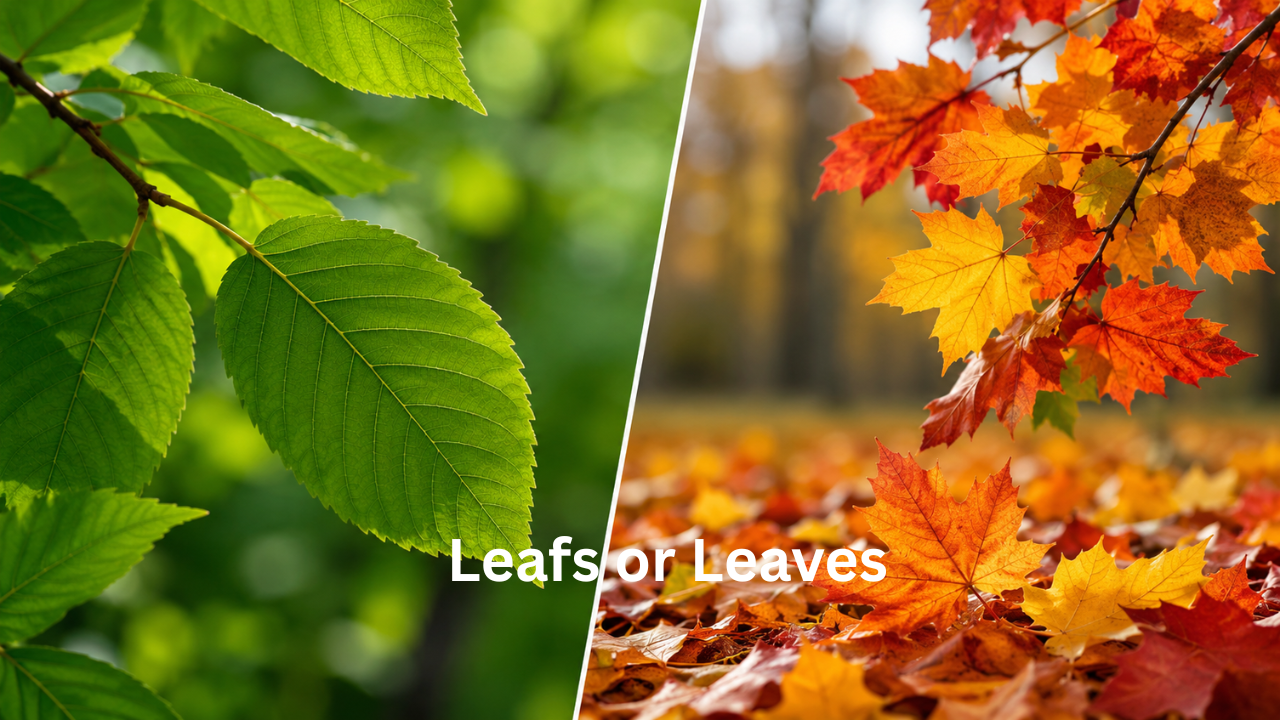
The English language is full of confusing plural forms, and one of the most common questions people ask is whether the correct word is “leafs” or “leaves.” At first glance, both seem possible. After all, many English words simply add “s” to become plural. However, language rules are not always that simple.
If you have ever wondered which version is grammatically correct, when to use each word, or why people often get confused, this guide explains everything in a clear and easy-to-understand way. Whether you are a student, writer, blogger, or simply curious about English grammar, understanding the difference between “leafs” and “leaves” can help you avoid common mistakes.
Understanding the Basic Difference Between Leafs and Leaves
The word “leaf” refers to the flat green structure that grows on trees and plants. When talking about more than one leaf, the standard plural form is “leaves.”
For example:
- One leaf
- Two leaves
- Many leaves
In most situations, “leaves” is the correct plural form used in everyday English.
However, the word “leafs” also exists, although it is much less common. It is mainly used as a verb in specific contexts rather than as a plural noun.
Why “Leaves” Is the Correct Plural Form
English grammar has several irregular plural forms. Instead of simply adding “s,” some words change their spelling when pluralized.
Words ending in “f” or “fe” often change to “ves” in the plural form.
Here are a few examples:
| Singular | Plural |
|---|---|
| Leaf | Leaves |
| Wolf | Wolves |
| Knife | Knives |
| Shelf | Shelves |
| Life | Lives |
Because of this grammar rule, “leaves” is the accepted plural form of “leaf.”
Example Sentences Using “Leaves”
- The leaves fall from the trees during autumn.
- Green leaves help plants produce energy.
- The garden was covered with dry leaves.
In all of these examples, “leaves” refers to multiple leaves and is grammatically correct.
Is “Leafs” Ever Correct?
Yes, but not in the way most people think.
“Leafs” is generally used as a verb, especially in publishing, books, or casual expressions. The verb “to leaf” means to flip through pages quickly.
Example Sentences Using “Leafs”
- She leafs through magazines while waiting.
- He leafs through the notebook before class.
In these examples, “leafs” is a verb, not a plural noun.
Another well-known use of “Leafs” appears in sports team names, particularly the Toronto Maple Leafs hockey team. In this case, “Leafs” is intentionally used as a proper noun and brand identity.
Why People Get Confused Between Leafs and Leaves
There are several reasons why people commonly mix up these two words.
English Grammar Can Be Inconsistent
English contains many irregular rules. While some nouns simply add “s,” others change entirely.
For example:
- Roof → Roofs
- Chief → Chiefs
- Leaf → Leaves
Because not every word follows the same pattern, learners often assume “leafs” should also be correct.
Autocorrect and Informal Writing
Social media, texting, and informal writing sometimes spread incorrect grammar. People may type “leafs” quickly without realizing the mistake, especially if spell-check does not catch it immediately.
Sports and Brand Names
The popularity of the Toronto Maple Leafs has also contributed to confusion. Since many people see “Leafs” used publicly, they assume it is the correct plural everywhere.
However, outside the team name or verb form, “leaves” remains the proper plural noun.
Grammar Rule Behind Leaves
The transformation from “leaf” to “leaves” follows a common English spelling rule.
Words Ending in “F” or “FE”
Many nouns ending in “f” or “fe” change to “ves” when pluralized.
Examples include:
- Calf → Calves
- Wife → Wives
- Thief → Thieves
This happens because of historical pronunciation changes in Old English. Over time, these patterns became standard grammar rules.
Still, there are exceptions.
Exceptions to the Rule
Not all “f” words become “ves.”
Examples:
- Roof → Roofs
- Chef → Chefs
- Belief → Beliefs
This inconsistency is why English learners sometimes struggle with plural forms.
Common Mistakes People Make
Many writers accidentally misuse “leafs” when they actually mean “leaves.” Here are some examples of incorrect and correct usage.
Incorrect Usage
- The tree has beautiful leafs.
- Yellow leafs covered the road.
- Plants need healthy leafs to grow.
Correct Usage
- The tree has beautiful leaves.
- Yellow leaves covered the road.
- Plants need healthy leaves to grow.
Remember: when referring to more than one leaf on a plant or tree, always use “leaves.”
How to Remember the Correct Word
A simple trick can help you remember the difference.
Think about similar words:
- Knife → Knives
- Life → Lives
- Leaf → Leaves
If the singular word ends with “f,” there is a good chance the plural changes to “ves.”
Another easy memory tip:
“Leaves fall from trees.”
This phrase is commonly used and naturally reinforces the correct spelling.
The Role of Leaves in Nature
Beyond grammar, leaves are one of the most important parts of plant life. They help plants survive and support ecosystems around the world.
Functions of Leaves
Leaves perform several vital functions:
- Absorbing sunlight
- Producing food through photosynthesis
- Releasing oxygen
- Regulating water loss
Without leaves, most plants would not survive.
Why Leaves Change Color
During autumn, many leaves change color due to reduced chlorophyll production. This reveals pigments like yellow, orange, and red.
This seasonal transformation is especially visible in colder regions and is one of nature’s most beautiful sights.

Popular Expressions Using the Word Leaves
The word “leaves” also appears in common English expressions and idioms.
Turn Over a New Leaf
This phrase means to make a fresh start or improve behavior.
Example:
- After graduation, he decided to turn over a new leaf.
Take Leave
Although spelled differently, this expression means to depart or say goodbye.
Example:
- She took leave after the meeting ended.
Leaves of Absence
This phrase refers to authorized time away from work or school.
Example:
- Employees may request leaves of absence for medical reasons.
Leafs vs Leaves in Digital Searches
Many people search for “leafs or leaves” online because they are unsure which version is correct. Search engines often display both words because users frequently misspell the plural form.
From an SEO perspective, both keywords may appear in articles to address user intent, but grammatically:
- “Leaves” = correct plural noun
- “Leafs” = verb or special proper noun
This distinction matters for students, bloggers, and content creators who want accurate writing.
Quick Comparison Table
| Word | Part of Speech | Meaning | Example |
|---|---|---|---|
| Leaf | Noun | A plant structure | A leaf fell from the tree |
| Leaves | Plural Noun | More than one leaf | The leaves are green |
| Leafs | Verb | Turns pages quickly | She leafs through books |
This table makes the difference easier to remember at a glance.
FAQs About Leafs or Leaves
Is “leafs” grammatically correct?
Yes, but only in specific situations. It is usually used as a verb meaning to flip through pages. It is not the standard plural form of “leaf.”
What is the correct plural of leaf?
The correct plural form of “leaf” is “leaves.”
Why does leaf become leaves?
English grammar often changes words ending in “f” to “ves” in plural form. This is part of an irregular pluralization rule.
Is Toronto Maple Leafs grammatically wrong?
Technically, “leaves” would be the standard plural. However, “Maple Leafs” is an official team name and intentionally uses that spelling.
How can I remember the difference?
Think of similar words like knife/knives or life/lives. This helps reinforce the “ves” ending pattern.
Can I use “leafs” in academic writing?
Only if you are using it as a verb or referring to a proper noun like the sports team. Otherwise, use “leaves.”
Final Thoughts
The confusion between “leafs” and “leaves” is extremely common, especially among English learners and online writers. While both words exist, they serve different purposes.
“Leaves” is the correct plural form of “leaf” and should be used when talking about multiple plant leaves. On the other hand, “leafs” is mainly used as a verb meaning to flip through pages or as part of a proper name like the Toronto Maple Leafs.
Understanding this distinction improves grammar, writing accuracy, and communication skills. The next time you see falling leaves in autumn or write about plants, you will know exactly which word to use.
Also Read: Preform vs Perform: What’s the Difference and Which One Should You Use














1 comment