Natzi or Nazi: Meaning, History, Internet Usage, and Common Confusion
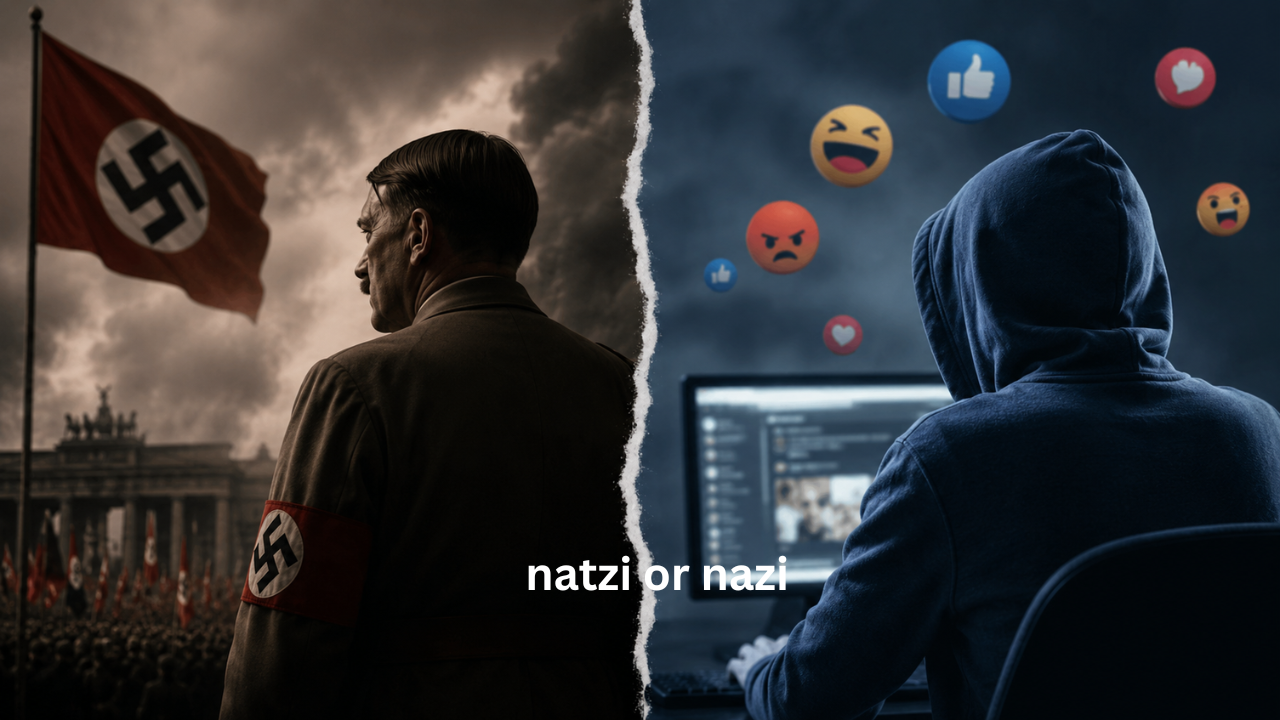
The terms “Natzi” and “Nazi” are often searched online because many people notice different spellings on social media, in memes, gaming chats, and internet discussions. While “Nazi” is a real historical and political term, “Natzi” is usually a misspelling, stylized variation, username, or slang version used online.
Understanding the difference is important because the original term carries serious historical meaning connected to one of the darkest periods in modern history. At the same time, internet culture has changed how words are typed, altered, and shared across platforms.
In this article, you’ll learn what “Nazi” actually means, why “Natzi” appears online, how the spelling confusion started, and how these words are used in modern internet conversations.
What Does Nazi Mean?
The word “Nazi” refers to members or supporters of the National Socialist German Workers’ Party led by Adolf Hitler in Germany during the 1930s and 1940s.
The Nazi regime became infamous for:
- World War II
- Dictatorship and propaganda
- Human rights violations
- The Holocaust
- Extreme nationalism and racism
Today, the term is strongly associated with hatred, fascism, and authoritarian ideology. Because of this history, the word carries serious emotional and political weight around the world.
In modern conversations, the term is sometimes used literally in historical discussions and sometimes exaggerated in arguments online. However, using the word casually can be controversial because of its historical significance.
What Is Natzi?
“Natzi” is not an official historical or political term. In most cases, it appears because of:
- A spelling mistake
- Typing error
- Username variation
- Stylized internet slang
- Gaming nickname
- Social media meme culture
Many users accidentally type “Natzi” instead of “Nazi” because the letters are close on a keyboard or because pronunciation can sound similar in some languages and accents.
In other situations, people intentionally use “Natzi” as a modified spelling to avoid moderation filters, create a unique username, or make the word appear less direct.
Natzi vs Nazi: Key Differences
| Term | Meaning | Common Usage | Official Word? |
|---|---|---|---|
| Nazi | Historical political term linked to Hitler’s regime | History, politics, serious discussions | Yes |
| Natzi | Misspelling or stylized variation | Social media, gaming, usernames, memes | No |
The biggest difference is that “Nazi” is a recognized historical term, while “Natzi” is generally an internet-created variation.

Why Is “Natzi” Trending Online?
Over the last few years, unusual spellings and altered words have become common across platforms like TikTok, Discord, Instagram, Reddit, and gaming communities.
People often modify words online for several reasons:
Avoiding Automatic Moderation
Some platforms automatically flag sensitive words. Users may change spellings slightly to bypass filters.
Examples include:
- Replacing letters
- Adding symbols
- Using phonetic spellings
“Natzi” can sometimes appear for this reason.
Meme and Internet Culture
Internet communities frequently create intentionally incorrect spellings for humor or uniqueness.
Examples include:
- Doggo instead of dog
- Boi instead of boy
- Thicc instead of thick
Similarly, “Natzi” may be used jokingly or ironically in some online spaces.
Gaming Usernames
Gamers often create usernames using altered spellings because original names are already taken. Someone may use “Natzi” simply as a username variation without political meaning.
Typing Mistakes
In many cases, there is no hidden meaning at all. It may simply be a typo repeated by users online.
Is Natzi Offensive?
The answer depends heavily on context.
Because “Natzi” closely resembles “Nazi,” some people may still find it offensive or uncomfortable, especially if used in jokes or arguments involving serious historical topics.
Here are a few important points:
- Historical discussions should generally use the correct spelling “Nazi.”
- Casual jokes involving Nazi references may offend some audiences.
- Internet slang does not remove the historical meaning connected to the original word.
- Some users may assume political intent even if none exists.
When communicating online, context matters a lot.
How Social Media Changed Word Spellings
Modern internet culture constantly changes language. Social media platforms encourage short, fast, and creative communication.
This leads to:
- Abbreviations
- Intentional misspellings
- Meme language
- Slang evolution
- Viral phrases
Words often become altered versions of themselves as users adapt them for humor, identity, or platform trends.
For example:
| Standard Word | Internet Variation |
|---|---|
| Okay | Oki |
| Brother | Bro |
| Really | Rly |
| Boy | Boi |
| Nazi | Natzi |
Not every variation has deeper meaning. Sometimes users simply enjoy creative spellings.
Historical Importance of the Word “Nazi”
Although internet culture changes language quickly, it’s important to remember the real history connected to the original term.
The Nazi regime caused enormous suffering during World War II. Millions of people lost their lives because of war, persecution, genocide, and discrimination.
Because of this history:
- The word remains highly sensitive.
- Many countries regulate Nazi symbols and propaganda.
- Educational discussions treat the subject seriously.
Using related terms casually can sometimes create misunderstanding or backlash online.
Common Places Where “Natzi” Appears
You may notice the term appearing in several digital spaces.
Gaming Communities
Online games often feature usernames with altered spellings. Players may use “Natzi” simply because:
- The original name was unavailable
- They wanted a unique gamer tag
- The spelling looked different or edgy
TikTok and Memes
TikTok trends frequently include modified words designed to:
- Avoid moderation
- Increase virality
- Match meme culture
Reddit Discussions
On forums and discussion boards, users sometimes debate whether “Natzi” is intentional or accidental.
Search Engines
Many people search “Natzi or Nazi” because they are unsure which spelling is correct.
The correct historical spelling is “Nazi.”
Should You Use Natzi or Nazi?
If you are discussing history, politics, or education, you should use the correct spelling: “Nazi.”
If you see “Natzi” online, it is usually:
- A typo
- Internet slang
- A meme variation
- A username adaptation
However, because of the sensitive nature of the original word, it’s wise to think carefully before using either term casually online.

SEO and Internet Search Popularity
Searches related to “Natzi or Nazi” have grown because users are curious about:
- Correct spelling
- Slang meanings
- TikTok trends
- Meme culture
- Username origins
Keyword confusion is common online. Similar examples include:
- “Definately” vs “Definitely”
- “Alot” vs “A lot”
- “Wierd” vs “Weird”
Search engines now process millions of typo-based searches every day, which is why unusual spellings often become searchable trends themselves.
Frequently Asked Questions
Is Natzi a real word?
No, “Natzi” is not an official dictionary or historical term. It is usually a misspelling or internet variation of “Nazi.”
What is the correct spelling?
The correct historical spelling is “Nazi.”
Why do people type Natzi online?
People may type it because of:
- Typing mistakes
- Username creation
- Meme culture
- Avoiding moderation filters
Is Natzi banned on social media?
Not necessarily. Platform moderation depends on context, usage, and community guidelines.
Does Natzi have political meaning?
Usually no. In most cases, it is simply a variation or typo. However, some readers may still interpret it seriously because of its similarity to the original term.
Can using Natzi offend people?
Yes, it can. Since it resembles a historically sensitive term, some audiences may find it inappropriate depending on the context.
Final Thoughts
The difference between “Natzi” and “Nazi” mainly comes down to accuracy and context. “Nazi” is the real historical term connected to World War II and Adolf Hitler’s regime, while “Natzi” is usually an internet-created variation, typo, or stylized spelling.
As internet culture continues evolving, altered spellings will likely remain common across social media and gaming communities. Still, understanding the historical background behind certain words is important, especially when those words are tied to major historical events and human suffering.
If you encounter “Natzi” online, it is most likely a variation rather than an official term. But when discussing history or serious topics, using the correct spelling and respectful context always matters.
Also Read: Shiesty or Sheisty: Meaning, Origin, d How People Use the Slang Online












1 comment