Vanuatu Earthquake: Latest Updates, Impact, and What You Need to Know
Understanding the Recent Vanuatu Earthquake
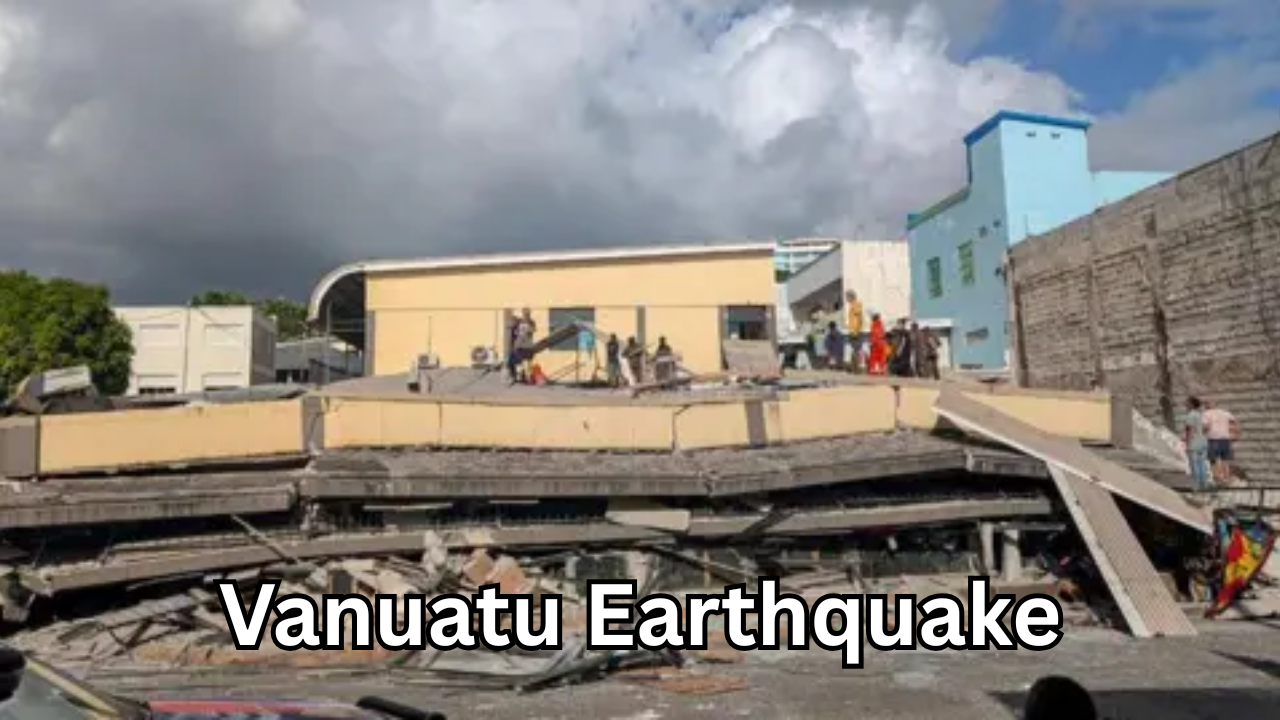
Vanuatu Earthquake – Vanuatu, a small island nation in the Pacific, is no stranger to natural disasters, especially powerful earthquakes. Located along the active Ring of Fire, the country frequently experiences tectonic shifts that trigger violent ground shaking. The recent Vanuatu earthquake has once again captured global attention due to its intensity, widespread concern, and the immediate response efforts launched by authorities.
The earthquake struck with significant force, sending residents rushing outdoors, disrupting daily activities, and raising fears of a possible tsunami. While Vanuatu often deals with seismic activity, large quakes always bring fresh challenges, especially to communities living in coastal and rural areas.
What Caused the Vanuatu Earthquake?
Vanuatu sits on the boundary between the Australian Plate and the Pacific Plate. These plates are constantly moving, and when the stress between them builds up, it releases in the form of an earthquake. This particular earthquake was caused by a sudden slip between these tectonic plates, generating intense shaking across the region.
Because of Vanuatu’s location in one of the world’s most active seismic zones, earthquakes of various magnitudes occur regularly. However, when a strong quake hits closer to populated islands, the impact becomes far more noticeable and serious.
A Look at the Magnitude and Affected Areas
The recent Vanuatu earthquake was reported to have a strong magnitude, enough to be felt across multiple islands. Many residents described the shaking as “violent,” lasting long enough to cause panic and confusion. Buildings swayed, windows rattled, and people evacuated homes, offices, and schools.
Some of the most affected areas include:
- Urban centers where population density is higher
- Coastal villages are prone to landslides or instability
- Rural regions with weaker infrastructure
Though Vanuatu has made significant progress in building earthquake-resistant structures, many older homes are still vulnerable to damage during strong tremors.
Was There a Tsunami Warning Issued?
After significant earthquakes in the Pacific, the first question everyone asks is whether there is a risk of a tsunami. Fortunately, officials closely monitor ocean changes after seismic activity to determine if a tsunami threat exists.
Following the Vanuatu earthquake, authorities issued updates to the public, urging residents to stay alert but avoid panic. In some cases, precautionary warnings are issued even when the actual risk is low. These warnings help ensure that coastal residents remain aware of evacuation routes and safety measures.
How the Local Government Responded
The government of Vanuatu moved quickly to assess the situation and ensure the safety of its citizens. Emergency services were deployed to inspect public buildings, schools, hospitals, and roadways. Authorities also activated disaster response teams to provide support in affected communities.
In areas where damage was reported, officials coordinated with local leaders to provide temporary shelter, food supplies, and medical assistance. Vanuatu’s National Disaster Management Office (NDMO) communicated regularly with global monitoring agencies to share real-time updates.
Community Reactions and First-Hand Reports
Residents described the earthquake as one of the strongest felt in recent months. Social media platforms were filled with videos showing swaying trees, shaking homes, and people gathering in open areas for safety.
For many families, the event brought back memories of previous earthquakes and cyclones that have hit the region. Parents rushed to collect their children from schools, while business owners shut down operations until safety inspections could be carried out.
Despite the fear, the people of Vanuatu showed incredible resilience. Communities came together to support each other, ensuring that elderly individuals and children were safe.
Damage Assessment: What Has Been Reported So Far?
While complete assessments often take days, early reports indicate that the earthquake caused varying levels of damage across affected islands. Some buildings suffered structural cracks, while older homes experienced more considerable damage.
Roads in certain areas were temporarily blocked due to fallen debris or small landslides. Power outages were also reported in some districts, but utility providers worked quickly to restore services.
Thankfully, initial reports suggested minimal loss of life, but authorities continued to monitor remote regions where communication is limited.

How Vanuatu Prepares for Earthquakes
Vanuatu has learned valuable lessons from past disasters, prompting the government to invest in disaster preparedness programs. These initiatives include:
- Regular earthquake drills for schools and workplaces
- Public awareness campaigns
- Strengthening building codes
- Establishing local evacuation centers
These steps have significantly improved the ability of communities to respond effectively during major natural disasters.
Why Earthquakes Are Common in Vanuatu
The island chain sits directly above some of the most active fault lines on Earth. This unique geological position makes earthquakes and volcanic activity common occurrences. Even though many quakes go unfelt, stronger events occasionally cause concern.
Experts believe that constant monitoring and improved early warning systems will continue to help reduce risks and enhance public safety in the region.
International Response and Support
Whenever a large earthquake hits Vanuatu, international organizations and neighboring countries closely monitor the situation. Relief groups such as the Red Cross, Pacific disaster agencies, and humanitarian partners often offer assistance if needed.
In some cases, support includes medical teams, aid supplies, building materials, and satellite communication support to help assess remote areas.
What Travelers Should Know
Vanuatu is a popular destination known for its adventure tourism, tropical beauty, and warm culture. Travelers currently in the country or planning a visit should stay updated on local advisories, follow the instructions of authorities, and avoid unnecessary travel to affected regions until assessments are complete.
Most tourist areas typically return to normal operations quickly after an earthquake, especially when infrastructure damage is minimal.

Safety Tips During an Earthquake
Earthquake preparedness can save lives. Here are key safety tips that authorities in Vanuatu and around the world recommend:
- Drop, cover, and hold on
- Move away from windows and unsecured objects
- If outdoors, stay clear of buildings, trees, and power lines
- After the shaking stops, be cautious of aftershocks
- Follow official instructions and evacuation notices
These basic steps can significantly reduce injury risks during intense tremors.
The Importance of Staying Informed
In the aftermath of a major earthquake, misinformation can spread quickly. Residents and travelers need to rely only on official updates from government agencies, meteorological services, and reputable news sources.
Accurate information ensures that people make the right decisions and stay safe throughout the recovery process.
Final Thoughts on the Vanuatu Earthquake
The Vanuatu earthquake serves as a reminder of the region’s vulnerability to natural disasters. While the quake caused concern and disruptions, the quick response of authorities and the resilience of local communities played a crucial role in minimizing the impact.
As assessments continue and life gradually returns to normal, the people of Vanuatu remain strong and prepared for whatever challenges come their way. With ongoing improvements in preparedness, infrastructure, and awareness, the nation continues to build a safer future for its citizens.
Also Read: Your Topics | Multiple Stories: Exploring Diverse Narratives That Shape Today’s Digital World













1 comment