Travis Hunter Injury Shocking Update: Tough Setback but Hopeful Road Ahead
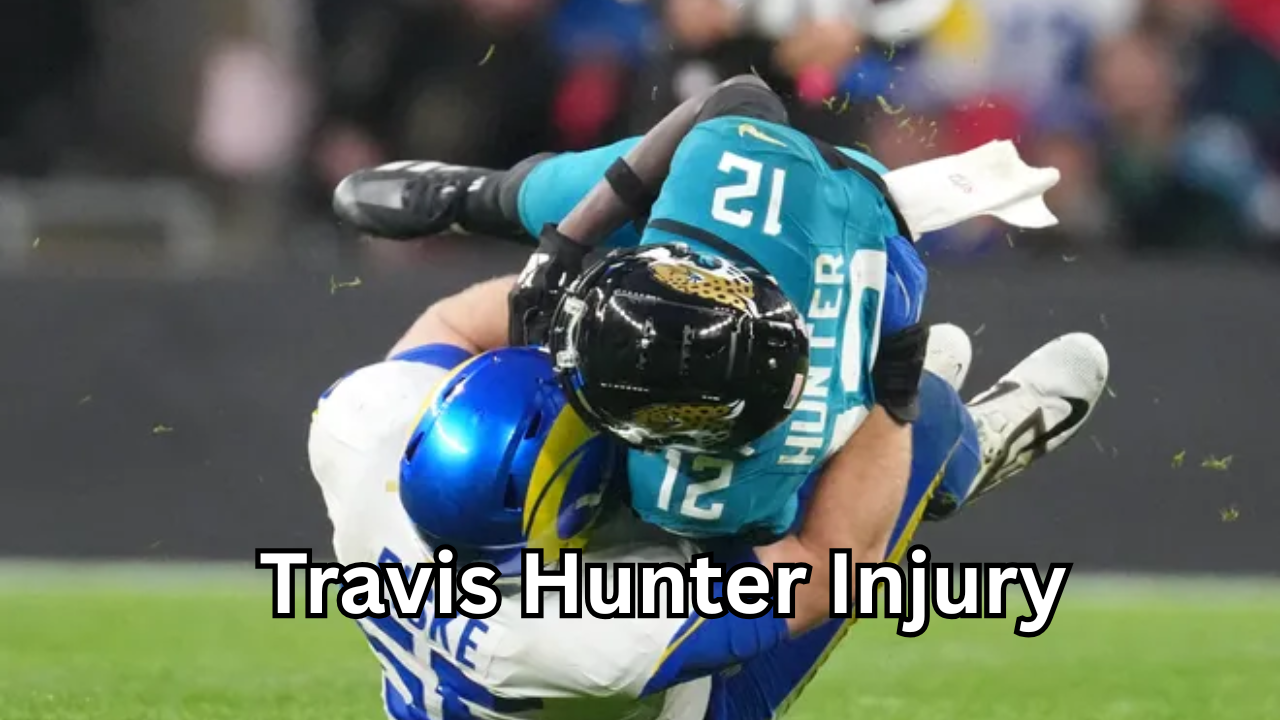
The Travis Hunter injury has become one of the most talked-about topics in college football, raising serious questions about player safety, recovery timelines, and the long-term impact on an athlete whose potential is considered generational. As fans, analysts, and scouts closely follow developments, this situation has evolved into more than just a single-game absence—it represents a defining moment in a remarkable football journey.
From the opening kickoff of the season, Travis Hunter’s presence has been impossible to ignore. His rare ability to dominate on both sides of the ball makes any health concern immediately significant. That is why this setback has captured national attention, especially as updates continue to shape expectations for his return and future performance.
The Moment That Changed the Game
The injury occurred during a high-intensity matchup that demanded physical commitment on every snap. Hunter was playing at full speed, doing what he does best—impacting the game in multiple ways—when an awkward collision brought everything to a halt. The stadium fell quiet as trainers rushed in, and within minutes, it was clear this was not a routine knock.
Early reports confirmed that Travis Hunter’s injury forced him out of the game for evaluation. While initial reactions ranged from concern to outright fear, medical staff moved quickly to stabilize the situation. What stood out immediately was the professional handling of the moment, reflecting the increased emphasis on athlete health at the collegiate level.

Medical Evaluation and Early Diagnosis
Following the incident, Hunter underwent thorough medical assessments to determine the severity of the issue. While teams often keep exact details limited, especially early on, insiders’ consensus suggested the injury was severe enough to warrant caution but not catastrophic.
The Travis Hunter injury was categorized as one that demands rest, rehabilitation, and careful monitoring rather than rushed treatment. This approach aligns with modern sports medicine, where long-term health outweighs short-term competitive gains. Specialists emphasized that even elite athletes benefit from patience during recovery, particularly when explosiveness and agility are core strengths.
How the Injury Impacts His Team
Hunter’s absence was immediately felt. His versatility allows coaches to design game plans around him, adjusting offensive and defensive strategies based on matchups. Without him, the team had to simplify schemes and rely on depth players to fill an almost impossible void.
Coaches acknowledged that Travis Hunter’s injury altered weekly preparation, forcing them to rethink rotations and snap counts. Beyond tactics, there was an emotional element as well. Hunter’s energy and leadership extend beyond the stat sheet, and his presence on the sideline, even while injured, remained a motivating force.
Travis Hunter Injury and the Recovery Timeline
What to Expect During Rehabilitation
The recovery process for an athlete like Hunter is both physical and mental. Strength training, flexibility work, and controlled on-field drills form the foundation of rehabilitation, but mental readiness plays an equally important role. Confidence in movement, trust in the body, and the absence of hesitation are crucial before a return to competition.
Medical experts believe the Travis Hunter injury will require a structured rehabilitation timeline, progressing through stages rather than rushing straight back into complete contact. This method reduces reinjury risk and helps ensure high performance levels upon return.
The Mental Challenge of Being Sidelined
For a player known for relentless competitiveness, time away from the field can be frustrating. Athletes at Hunter’s level often struggle more with inactivity than physical pain. Still, those close to him describe a focused mindset and a determination to return stronger.
The Travis Hunter injury has also become a learning moment, highlighting the importance of mental resilience. Film study, leadership from the sidelines, and staying engaged with teammates are ways injured players continue contributing, even without pads and helmets.
Long-Term Implications for His Career
Whenever a high-profile athlete is injured, questions about long-term impact naturally follow. Scouts and analysts have been closely evaluating how this setback could influence Hunter’s trajectory, especially with professional aspirations on the horizon.
Most experts agree that Travis Hunter’s injury is unlikely to derail his future if appropriately managed. Modern rehabilitation techniques and strict return-to-play protocols significantly reduce the chance of lasting effects. In some cases, athletes even return with improved conditioning and awareness, having taken time to refine aspects of their game that are often overlooked during constant competition.
Player Safety and Modern College Football
This incident has reignited conversations about player safety in college football. The speed and physicality of today’s game place enormous stress on athletes, particularly those like Hunter who play multiple roles. Coaches and governing bodies continue to balance entertainment value with responsible health practices.
The handling of the Travis Hunter injury reflects progress in this area. Immediate evaluation, transparent updates, and a cautious recovery plan show that programs increasingly prioritize athlete well-being over short-term success.

Fan Reaction and Media Coverage
Fans have responded with overwhelming support, flooding social media with messages of encouragement. Media coverage has ranged from medical analysis to emotional reflections on how much Hunter means to the sport. This widespread attention underscores his influence beyond any single program.
The Travis Hunter injury has also become a reference point for discussions about workload management, especially for two-way players. Analysts argue that while versatility is exciting, it must be balanced with sustainable usage to protect elite talent.
Looking Ahead: A Careful but Optimistic Return
As recovery progresses, optimism continues to build. Coaches have hinted that Hunter’s return will be based on readiness rather than external pressure, a decision widely praised by fans and experts alike. The goal is not just to see him play again, but to see him play at the level that made him special in the first place.
The Travis Hunter injury may ultimately become a footnote in a long and successful career, remembered not for what it took away but for what it revealed about resilience, professionalism, and the evolving standards of athlete care.
Conclusion: More Than Just an Injury Update
Injuries are an unfortunate reality of football, but how they are managed defines careers. In this case, the response to the Travis Hunter injury demonstrates a mature, forward-thinking approach that benefits both the player and the sport. With proper recovery, mental focus, and organizational support, Travis Hunter’s story is far from over.
Instead, this moment may serve as a potent reminder that even the brightest stars need time to heal—and that patience often yields an even greater return.
Also Read: Class of 09 Anime: A Complete Guide to the Viral Psychological School Story










1 comment