Low Taper Fade: The Ultimate Flawless Haircut That Always Looks Sharp
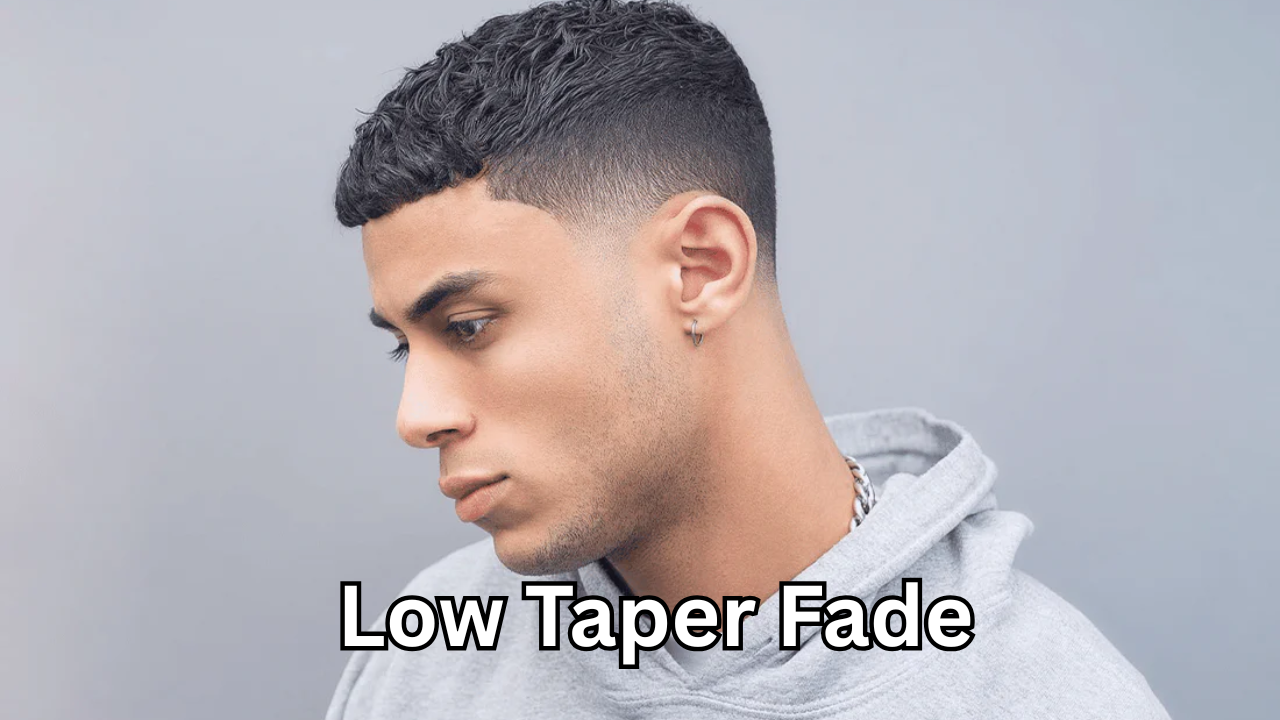
The low taper fade stands out as a top choice for men seeking a consistently sharp, clean-cut look. With its subtle yet precise blend, it fits seamlessly into any lifestyle—professional, casual, or everyday. Its balanced structure keeps edges neat even as it grows, making it a dominant haircut in barbershops everywhere.
What Makes This Style So Popular
Its appeal lies in offering a sharp, intentional look that’s refined yet understated. Unlike attention-grabbing fades, this style delivers polish through a gradual taper near the neckline and sides while maintaining enough hair for versatility. The result is a polished look for everyone, from students to professionals.
Another reason for its demand is adaptability. It suits textured, straight, or wavy hair. The top can be short, medium, or long, letting people personalize their look while keeping the style’s structure. This versatility keeps it relevant instead of a fleeting trend.
Low Taper Fade Explained in Simple Terms
The low taper fade features a subtle transition that begins very close to the hairline. The fade stays low and controlled, making a smooth blend from skin or short hair into longer lengths. This technique emphasizes neatness rather than dramatic contrast.
What sets it apart is its natural look when done correctly. The barber uses precision around the edges to frame the face without overpowering it. Since the fade starts lower, it adds structure while keeping the look soft and balanced.
How It Differs From Other Fade Styles
Compared to mid- or high-fades, this cut offers a more conservative finish. High fades push the transition point upward, creating a bold and edgy vibe. Mid fades sit somewhere in between, offering a noticeable but controlled contrast. In comparison, this low-based taper feels refined and timeless.
The difference also becomes clear during regrowth. More aggressive fades often lose their shape quickly, requiring frequent touch-ups. This style, however, grows evenly, which means it stays presentable for longer. That quality alone makes it appealing to people who prefer low-maintenance grooming routines.
Face Shapes and Hair Types That Benefit Most
One of the strongest advantages of this haircut is its ability to adapt to different face shapes. For round faces, the clean edges add structure and definition. Square face shapes benefit from the soft blending, which balances strong jawlines. Even oval and long faces can use this cut as a foundation for various top styles.
Hair type also plays a big role in its success. Thick hair gains better control and shape, while finer hair appears fuller due to the gradual taper. Curly and wavy textures especially benefit, as the fade keeps the sides neat while allowing the natural texture to shine on top.
Styling Options and Everyday Versatility
An important benefit is styling flexibility, which is why many men choose the low taper fade for daily wear. It pairs effortlessly with classic side parts, textured crops, slicked-back looks, or even natural, slightly messy finishes. With clean but not overly short sides, the top remains the main focus of self-expression.
This haircut fits both casual and formal settings. A light styling product creates a polished look for work. For weekends, a relaxed approach works well. This adaptability makes sure the style never seems out of place.
Barber Techniques and What to Ask For
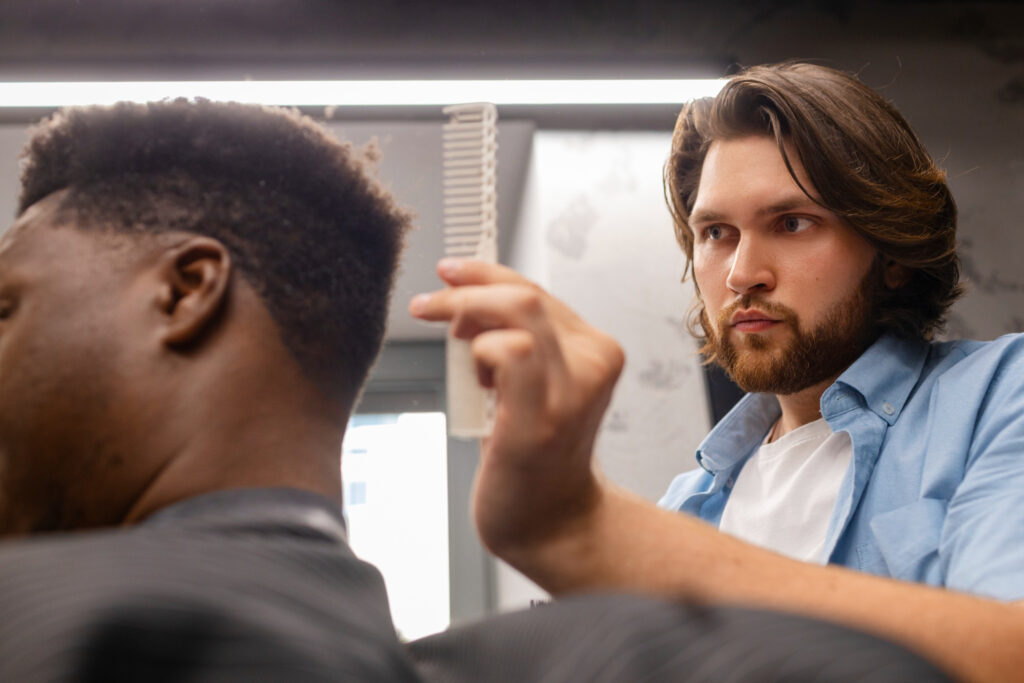
Achieving this look requires attention to detail. A skilled barber sets a low guideline near the neckline and ears, then blends upward with clippers and guards. Scissor work on top balances volume and shape. Edge detailing sharpens the final result.
When requesting this cut, clear communication matters. Mention that you want a clean taper that stays low and natural rather than climbing too high on the sides. Referring to the low taper fade by name helps, but describing the subtle finish you prefer ensures the barber fully understands your expectations.
Maintenance, Growth, and Longevity
One of the biggest benefits of this style is its durability over time. Because the fade is subtle, the haircut doesn’t lose its form quickly. Most people can go several weeks before needing a refresh, depending on how fast their hair grows.
Regular trimming around the edges can further extend its lifespan. Even as the hair grows, the taper continues to look intentional rather than messy. This makes it a practical option for anyone who wants a consistently clean look without frequent trips to the barbershop.

Cultural Influence and Modern Appeal
This haircut has grown in influence through sports, music, and social media. Celebrities and athletes choose it because it photographs well and suits many personal styles. Its cultural presence has made it a modern classic.
The low taper fade also shows a shift toward subtle grooming. Many now prefer cuts that enhance natural features rather than extreme styles. This approach fits that mindset, providing a refined but current appearance.
Common Mistakes to Avoid
The most common mistake is going too high with the fade. When the taper creeps upward, the cut can lose its defining subtlety. Another issue is uneven blending, which can disrupt the smooth transition that makes this style so appealing.
Using too much heavy styling product also removes its natural charm. This haircut is meant to look clean and effortless. Light products work best. Proper execution and simple maintenance keep the style looking good.
Conclusion
The low taper fade is a standout haircut that combines style, adaptability, and simplicity. Its subtle approach creates a lasting, sharp look for any lifestyle, balancing trends with timeless confidence. Choosing this cut means consistently looking polished and versatile.
Also Read: Zach Justice Height: The Surprising Truth Fans Love











1 comment