Colombia Flag: Meaning, History, Colors, and Cultural Importance
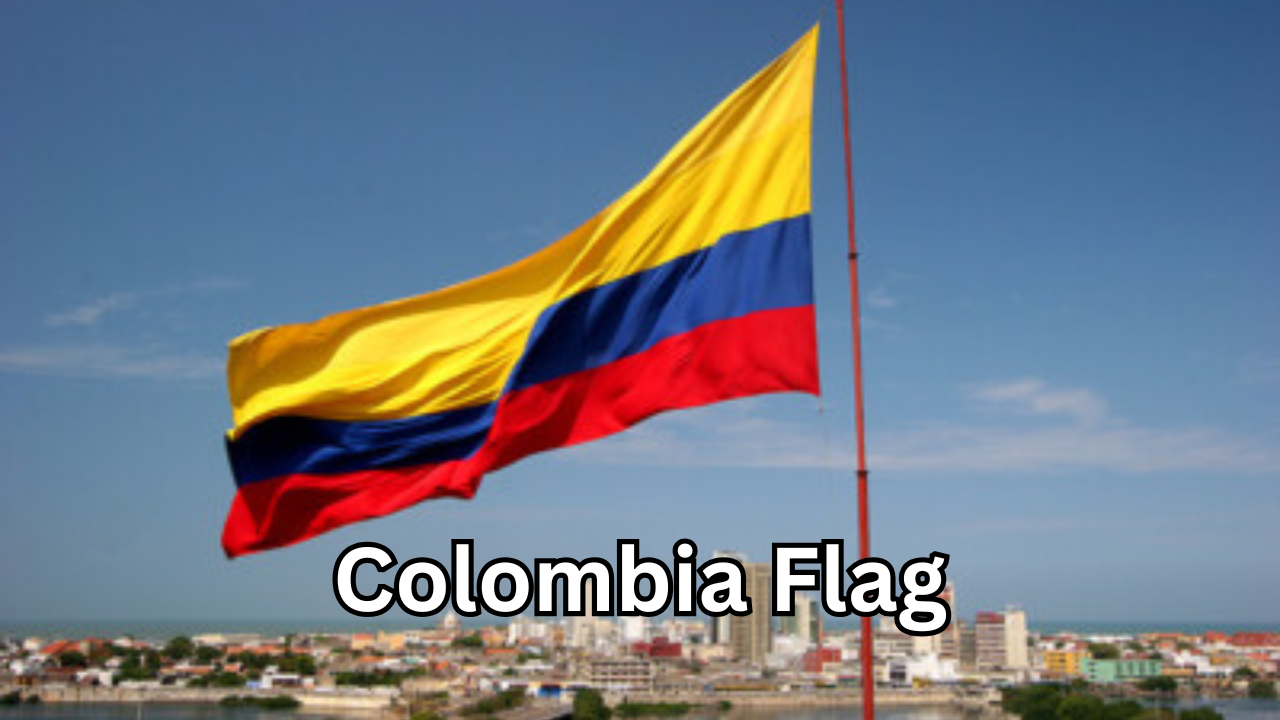
The Colombia flag is one of the most recognizable national symbols of South America. With its bold horizontal stripes of yellow, blue, and red, the flag represents Colombia’s identity, struggles, victories, and cultural pride. More than just a piece of cloth, the flag tells a powerful story about the nation’s past, its people, and its hopes for the future. Understanding the Colombia flag helps us better appreciate the country’s heritage and its place in world history.
Overview of the Colombia Flag
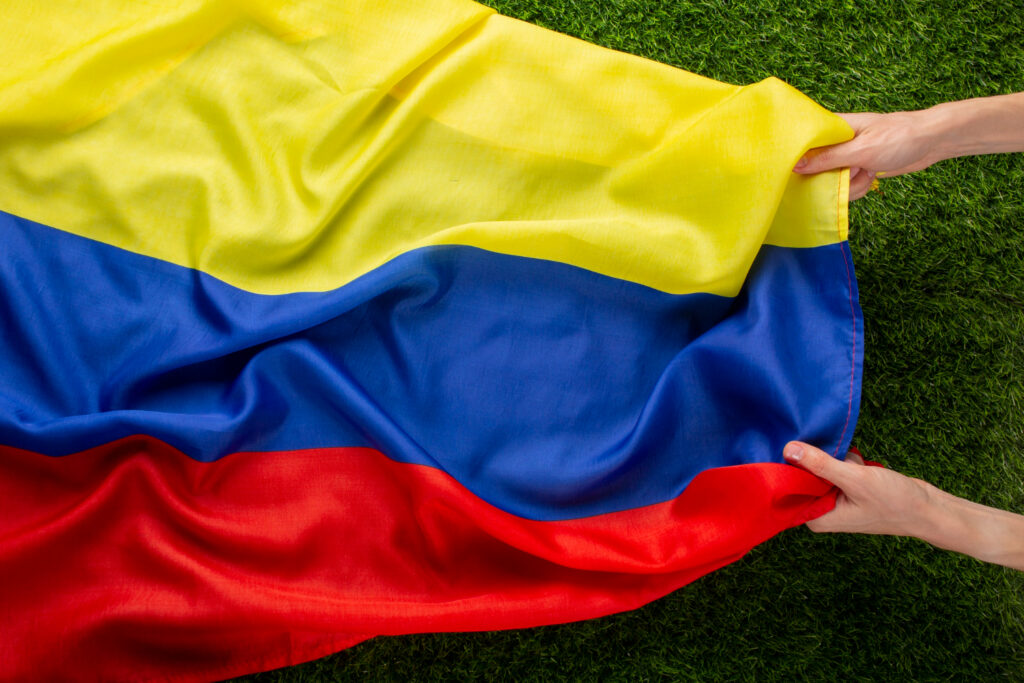
The Colombia flag consists of three horizontal stripes. The top stripe is yellow and takes up half of the flag’s height, while the middle blue stripe and the bottom red stripe each occupy one quarter. This unique proportion makes the Colombia flag visually distinct from many other tricolor flags.
The flag is officially used by the government, military, and citizens and is displayed proudly on national holidays, sports events, schools, and public buildings across Colombia.
History of the Colombia Flag
The history of the Colombia flag is closely linked to the struggle for independence from Spanish rule. During the early 19th century, many Latin American nations were fighting for freedom, and symbols like flags became essential in uniting people under a common cause.
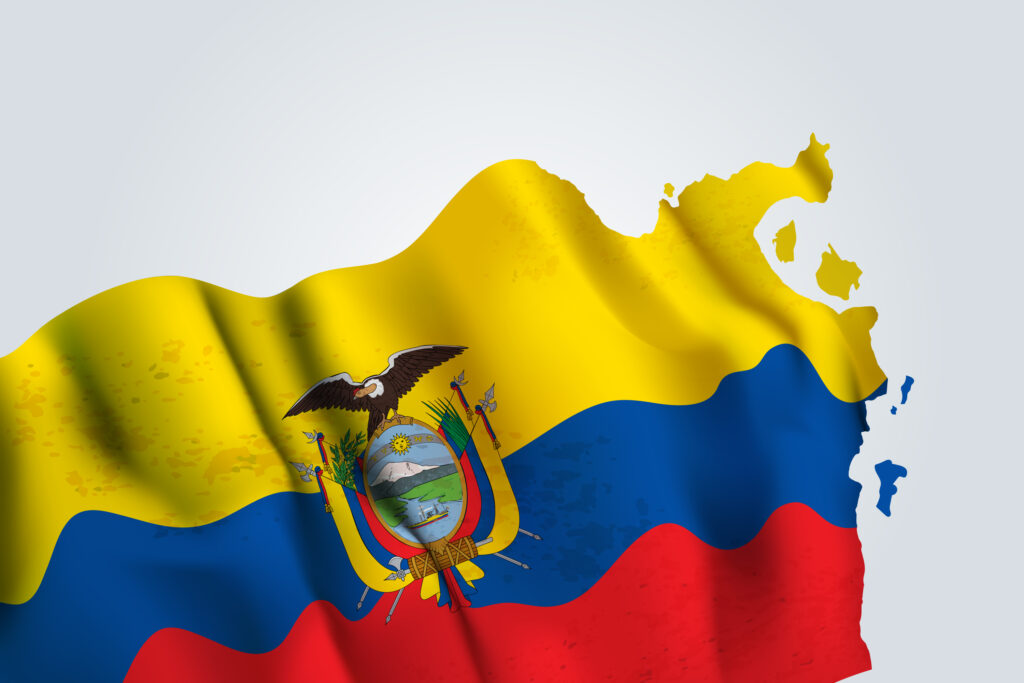
The origins of the Colombia flag can be traced back to Francisco de Miranda, a Venezuelan revolutionary who played a significant role in independence movements across northern South America. He introduced the yellow, blue, and red tricolor, which later influenced the flags of Colombia, Venezuela, and Ecuador.
Colombia officially adopted its current flag design in 1861. Since then, it has remained unchanged, symbolizing continuity, unity, and national pride.
Meaning of the Colors of the Colombia Flag
Each color of the Colombia flag carries deep symbolic meaning that reflects the country’s values and history.
The yellow stripe represents Colombia’s wealth and natural resources. It symbolizes gold, sunlight, agriculture, and prosperity. Colombia is known for its rich mineral resources and fertile lands, making yellow a fitting representation of abundance.
The blue stripe symbolizes the seas and rivers that surround and run through the country. Colombia is uniquely positioned with coastlines on both the Caribbean Sea and the Pacific Ocean. Blue also represents the sky, freedom, and hope.
The red stripe stands for the blood shed by those who fought for independence and freedom. It honors the courage, sacrifice, and resilience of the Colombian people throughout history.
Together, these colors form a powerful message of wealth, freedom, and sacrifice.
Design and Proportions of the Colombia Flag
One distinctive feature of the Colombia flag is the size of its stripes. Unlike many tricolor flags where all stripes are equal, the yellow stripe in the Colombia flag is double the height of the other two.
This design choice emphasizes the importance of the values represented by yellow, such as prosperity and national richness. The balanced layout ensures that the flag remains visually striking and instantly recognizable.
The flag is rectangular, and its proportions are carefully maintained to preserve its official appearance when displayed.
Variations of the Colombia Flag
While the basic design of the Colombia flag remains the same, there are specific versions used for different purposes.
The civil flag is the plain tricolor without any additional symbols and is used by citizens.
The state flag includes the national coat of arms placed at the center and is used by government institutions.
The naval flag features a blue oval with a red border and white stars, used by Colombia’s naval forces.
These variations maintain the same colors and structure while serving different official functions.
Cultural Importance of the Colombia Flag
The Colombia flag plays a vital role in everyday life and national celebrations. It is prominently displayed during Independence Day on July 20, as well as during other patriotic events and festivals.
In schools, children learn about the flag from an early age, reinforcing a sense of national identity and respect. During international sporting events, especially football matches, fans proudly wave the Colombia flag to support their teams.
The flag is also used during protests and public demonstrations, symbolizing unity and the collective voice of the people.

Colombia Flag in International Context
Internationally, the Colombia flag represents the country in diplomacy, trade, and global events. It flies outside embassies, consulates, and international organizations, marking Colombia’s presence on the world stage.
The similarity between the Colombia flag and those of Ecuador and Venezuela highlights shared historical roots. However, Colombia’s unique stripe proportions help distinguish it from the others.
The flag serves as a visual reminder of Colombia’s sovereignty and its role in global affairs.
Proper Usage and Etiquette of the Colombia Flag
There are specific guidelines regarding the respectful use of the Colombia flag. It should never touch the ground, be damaged, or be used for inappropriate purposes.
When displayed with other national flags, the Colombia flag must be given equal respect and proper positioning. During national mourning, the flag is flown at half-mast to honor those who have passed.
Respecting the flag is seen as respecting the nation itself.
Colombia Flag in Modern Times
In modern Colombia, the flag continues to evolve as a symbol of peace, resilience, and progress. As the country works toward social development and unity, the flag remains a reminder of shared values and collective strength.
Artists, designers, and cultural movements often incorporate the colors of the Colombia flag into clothing, murals, and digital media. This modern usage keeps the symbol alive and relevant for younger generations.
The flag bridges the gap between Colombia’s historical past and its future ambitions.
Interesting Facts About the Colombia Flag
Many people are unaware that the yellow stripe is intentionally larger than the others, making it unique among tricolor flags.
The Colombiaflag has influenced national symbols beyond borders, shaping the identity of neighboring countries.
Despite political and social changes over time, the flag’s design has remained consistent, reinforcing stability and tradition.
These facts add depth to the understanding of the Colombiaflag and its significance.
Why the Colombia Flag Matters Today
The Colombiaflag is more than a national emblem; it is a symbol of identity, resilience, and unity. It reminds Colombians of their shared history and inspires pride in their cultural heritage.
For visitors and learners worldwide, understanding the Colombiaflag provides insight into the country’s values, struggles, and achievements. It stands as a powerful representation of a nation that continues to grow and evolve.
Conclusion
The Colombiaflag is a timeless symbol that captures the spirit of the nation. Through its meaningful colors, unique design, and historical roots, it tells a story of wealth, sacrifice, and hope. Whether displayed during national celebrations, international events, or everyday life, the flag remains a powerful reminder of Colombia’s identity and pride.
By learning about the Colombiaflag, we gain a deeper appreciation for Colombia’s past and its vision for the future.
Also Read: RCB vs DC: Complete Match Analysis, History, Key Players, and Latest Updates














1 comment